Creative Thinking and Problem-Solving:
Ideas log/Reflective Essay
Role: Ideator and Creative Thinker
Duration: 3 Months
Assignment Brief: A 2,000-word reflective paper together with an ‘Ideas log’ equivalent to 1,000 words based on the CTPS techniques learned throughout the module.
1. Creative technique #1 Superhero
1.1. Introduction
For the first creative technique, the Superhero Technique of coming up with Intermediate Impossibles from week 8 is selected with the Driscoll Model used for reflection. The Superhero Technique generates "intermediate impossibles," impractical ideas using superhero skills to solve problems, facilitating the discovery of practical solutions by identifying key traits, thus sparking creative thinking and potentially leading to innovative solutions in problem-solving sessions (Proctor, 2010; Hall, 2021).
Problem statement:
Come up with some novel ideas for making the process of having to queue less of an unpleasant experience.
1.2. Reflection
What?
The problem space of queuing experience was narrowed down by the group to ‘queueing to see the doctor’. This was an arbitrary decision for the sake of scoping. Various superheroes were selected by the team members like the Monkey King, Human Torch, Caishen: the God of Wealth, and Zhu Long: the snakeman. The team then came up with various ideas based on the superpowers of their own heroes to make the experience of queuing to see the doctor less unpleasant.
Some of the ideas were:
Source: Joaquim, 2024
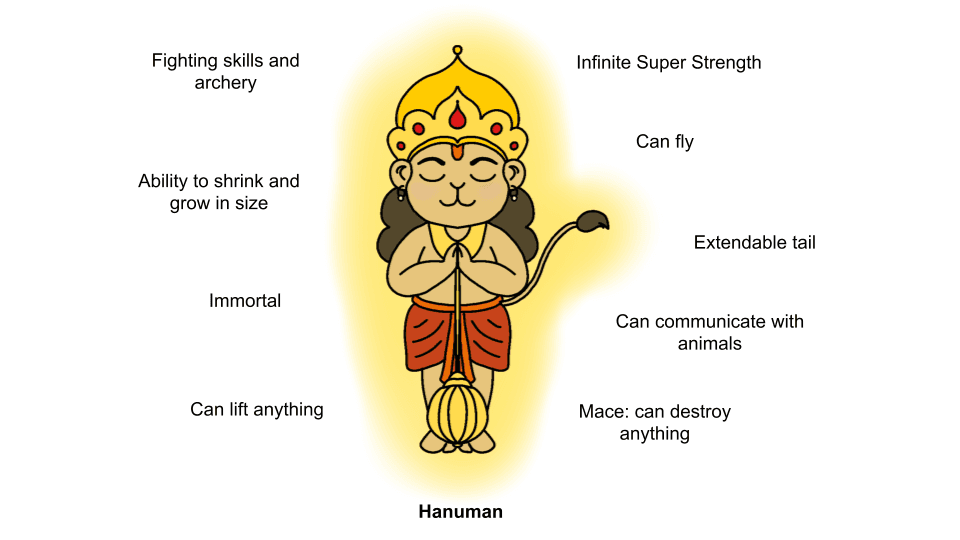
Hanuman:
1. Fly to the beginning of the queue and skip the it entirely
2. Move everyone in the front of the queue with the mace
3. Extend the tail and create a seat to sit while waiting in the queue
4. Shrink and go inside people’s bodies to diagnose quickly
So what?
There were a lot of interesting, provocative and silly ideas that our team came up with. As ingenious as the ideas like shrinking to diagnose people and creating duplicate doctors from hair may appear, they were impossible. On the other hand, predicting queue length from home, manipulating time to make it (appear to) pass faster, and entertaining people while waiting seemed like a lesser stretch from achievable solutions. The team then tried to convert some of the intermediate impossibles into practical solutions. Some of those ideas were as followers:
Docopedia: Making medical knowledge easily accessible through an online encyclopaedia or chat rooms for self checks and self medication for non-serious ailments
VIP Treatment: Paying to get premium, fast medical service
App to book appointments and see the length of the queue in real time
Community events to keep people healthy
AI mirror where the patient sees themself as healthy and strong so that their mood is uplifted
Specially Designed waiting rooms: Individual waiting rooms so that people do not see the crowd; waiting rooms with food,water, comfortable seating/resting area, soothing music/TV, and play area for kids. The waiting rooms might have some activities to be done while waiting like games or puzzles.
Some feedback indicated that users felt anxious when viewing clocks and waiting for their turn. To address this, I proposed representing time as a loading bar instead.
The rationale behind this approach is to provide a vague, non-numeric sense of progress, reducing pressure and perceived waiting time while still keeping users informed. While it may alleviate anxiety for some, it might not be universally effective, as individuals may still feel anxious about uncertainty and wait times.
Now what?
There are some potential problems with the ideas like:
1. Docopedia: Risk of self-diagnosis and medication without professional guidance.
2. VIP Treatment: Exacerbating inequalities in healthcare access.
3. Real-Time Queue App: Exclusion of individuals without smartphone access.
4. Community Events: Variability in effectiveness and resource dependence.
5. AI Mirror: Potential neglect of underlying medical issues.
6. Waiting Room Design: Costly implementation and systemic issues neglect.
To enhance the ideas, it might help to discuss them with subject matter experts or stakeholders. Also it would help to assess the ideas for various parameters like feasibility, effectiveness and unintended consequences of certain ideas.
At the end of the workshop, it was evident that while numerous ideas were generated, the expected quality wasn't achieved. More time and a deeper understanding of the system may lead to better ideas.
1.3. Conclusion
The team utilised the Superhero Technique to brainstorm innovative strategies for improving the doctor appointment queuing process. Inspired by different superheroes, we generated a range of ideas, from imaginative to potentially practical ones. While the quality of ideas didn't fully meet our expectations, it provided valuable insights into the iterative nature of innovation and problem-solving. The Superhero Technique, known for its emphasis on creative thinking and imaginative ideation, can be a valuable asset in various projects and contexts. Overall, it presents a versatile and engaging approach to problem-solving and idea generation, allowing for the unleashing of creativity, stimulation of innovation, and exploration of new possibilities for success.
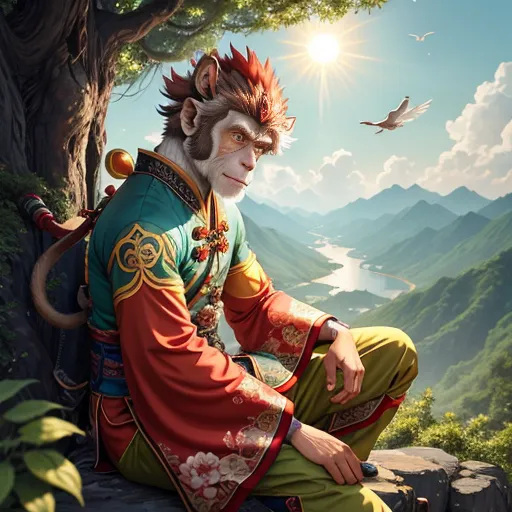
Monkey King:
1. Make people forget that they are sick
2. Predict queueing and see how many people are waiting from home
3. Fool people as a fake doctor
4. Convince people to live with sickness
5. Make doctor disappear
6. Create multiple duplicate doctors to help around from Monkey King’s hair
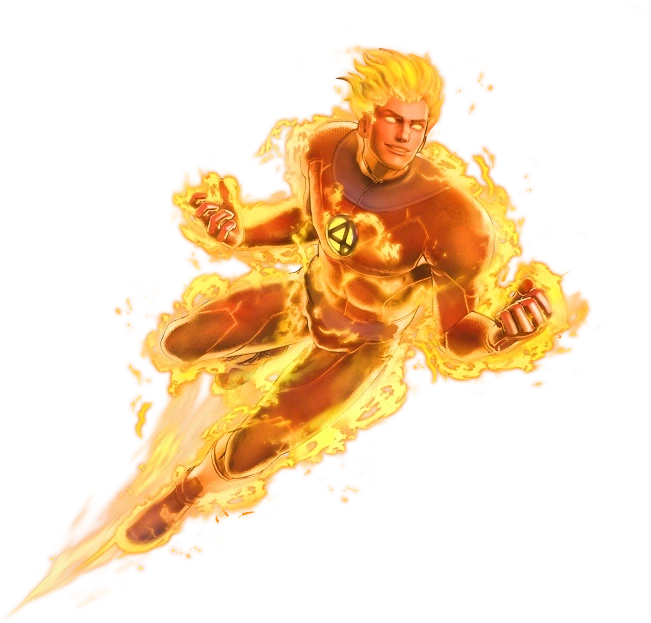
Human Torch:
1. Scare everyone away with the fire
2. Create a fire wall around the doctor’s clinic/hospital to deter anyone from entering
3. Put up a barbeque party and distract everyone from the doctor’s clinic
4. Entertain people waiting in the queue with a fireshow
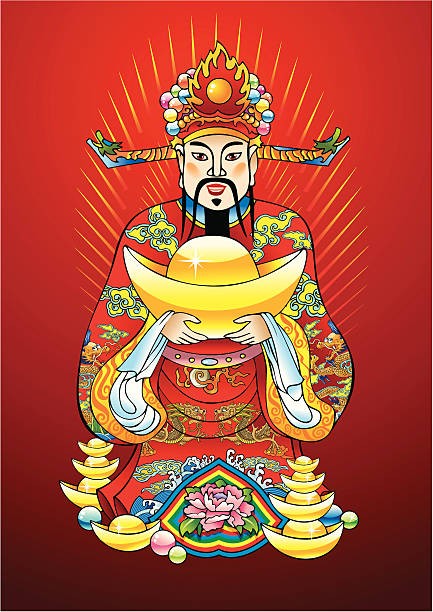
Caishen:
1. Make people's money disappear if they see the doctor
2. Give money to people for waiting in the queue
3. Give money to entertain people waiting
4. Use money to build more resources like clinics and sponsor medical students
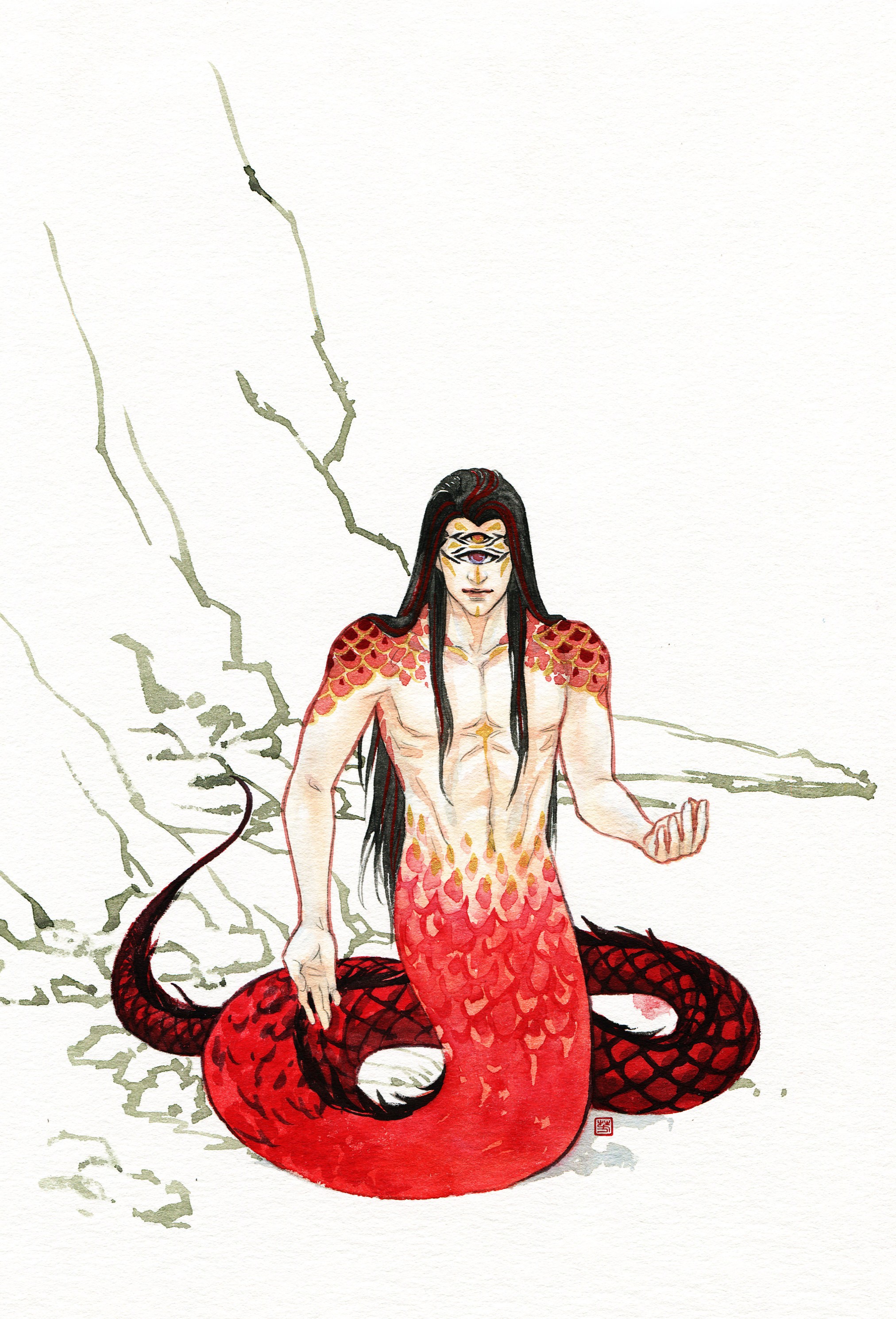
Zhulong:
1. Make time pass faster
2. Manipulate time and help people become doctors
3. Manipulate time and heal people faster
4. Manipulate time so that people do not have time to go to the doctor
I had selected the Indian God/Superhero Hanuman. The attributes of Hanuman can be seen below
2. Creative technique #2 SCAMPER
2.1. Introduction
For the second creative technique, SCAMPER technique from week 9 is selected with the Driscoll Model used for reflection.
Problem statement:
Think of any product that could be improved and expanded creatively using the SCAMPER technique. The product chosen by my team was ‘hat’.
2.2. Reflection
What?
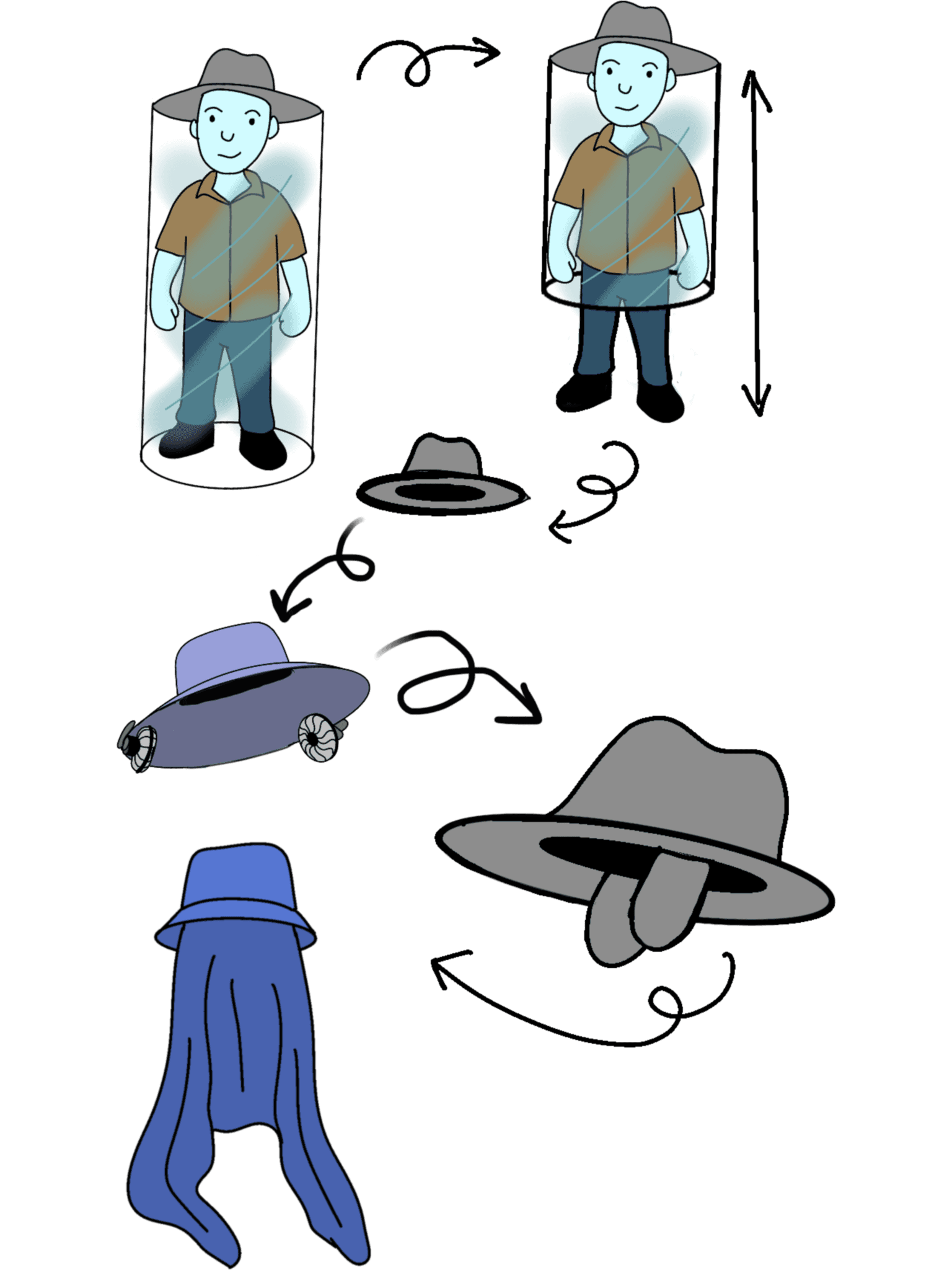
The team decided to include various types of hats as shown in figure for this technique.
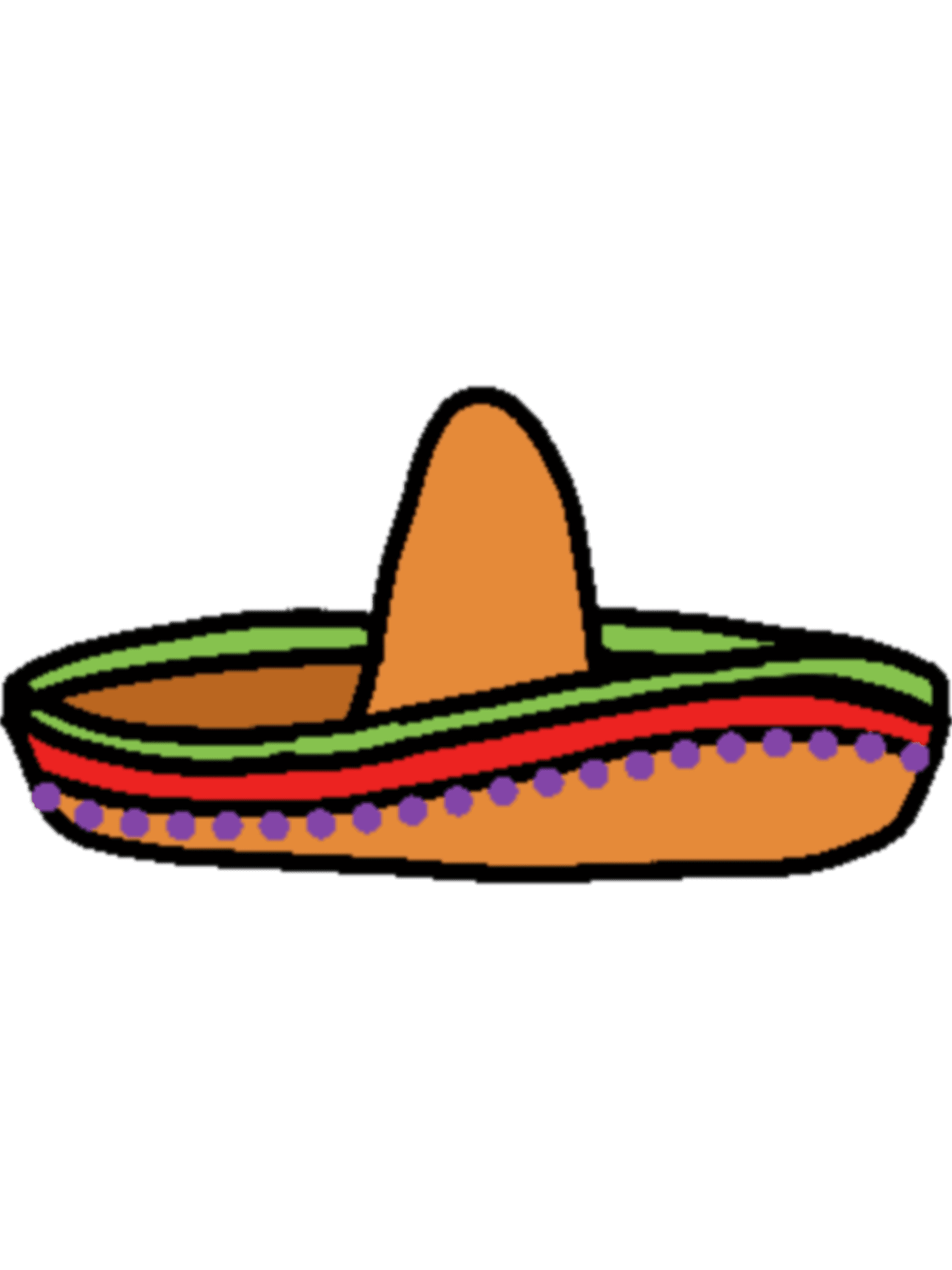
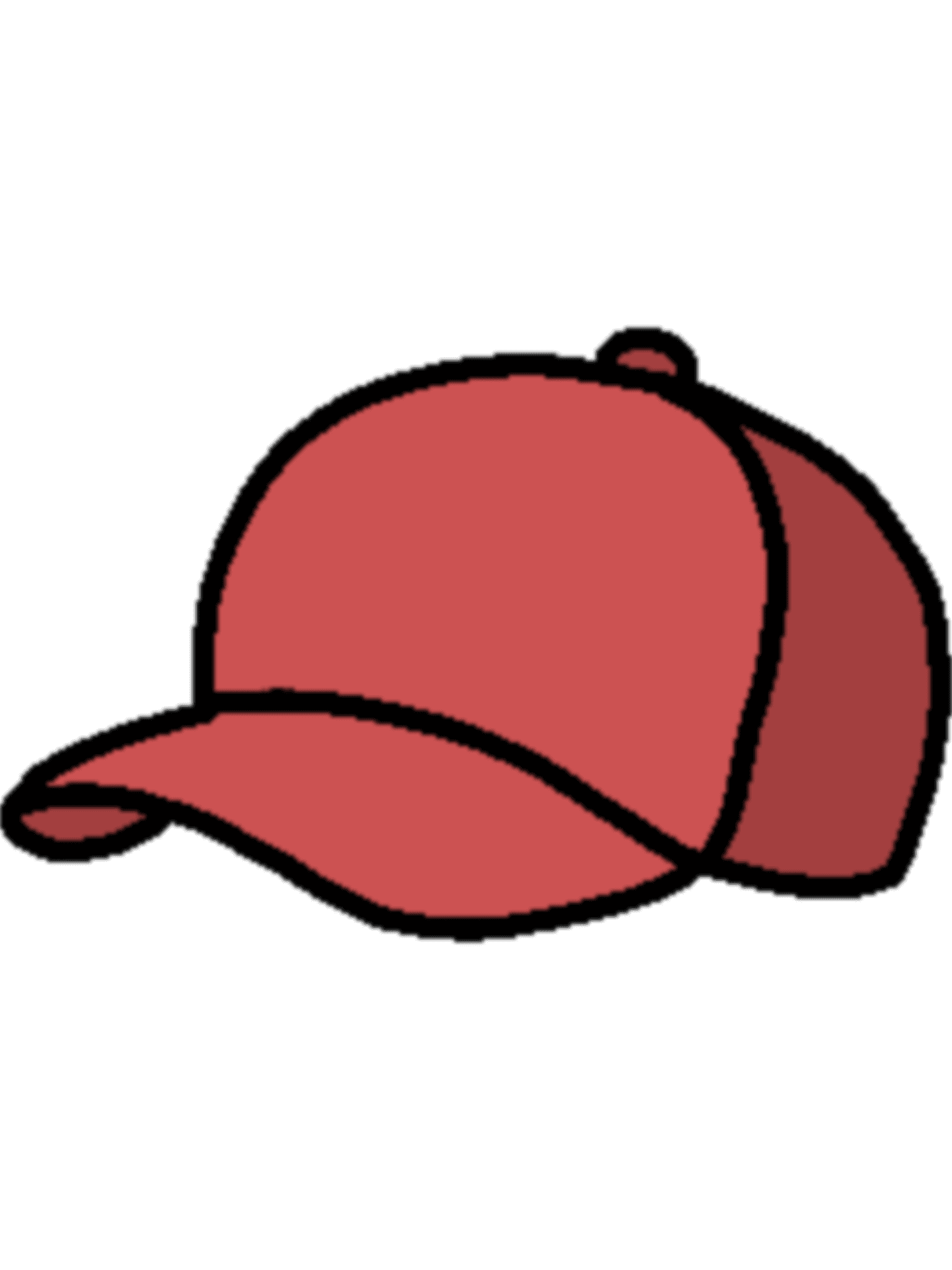

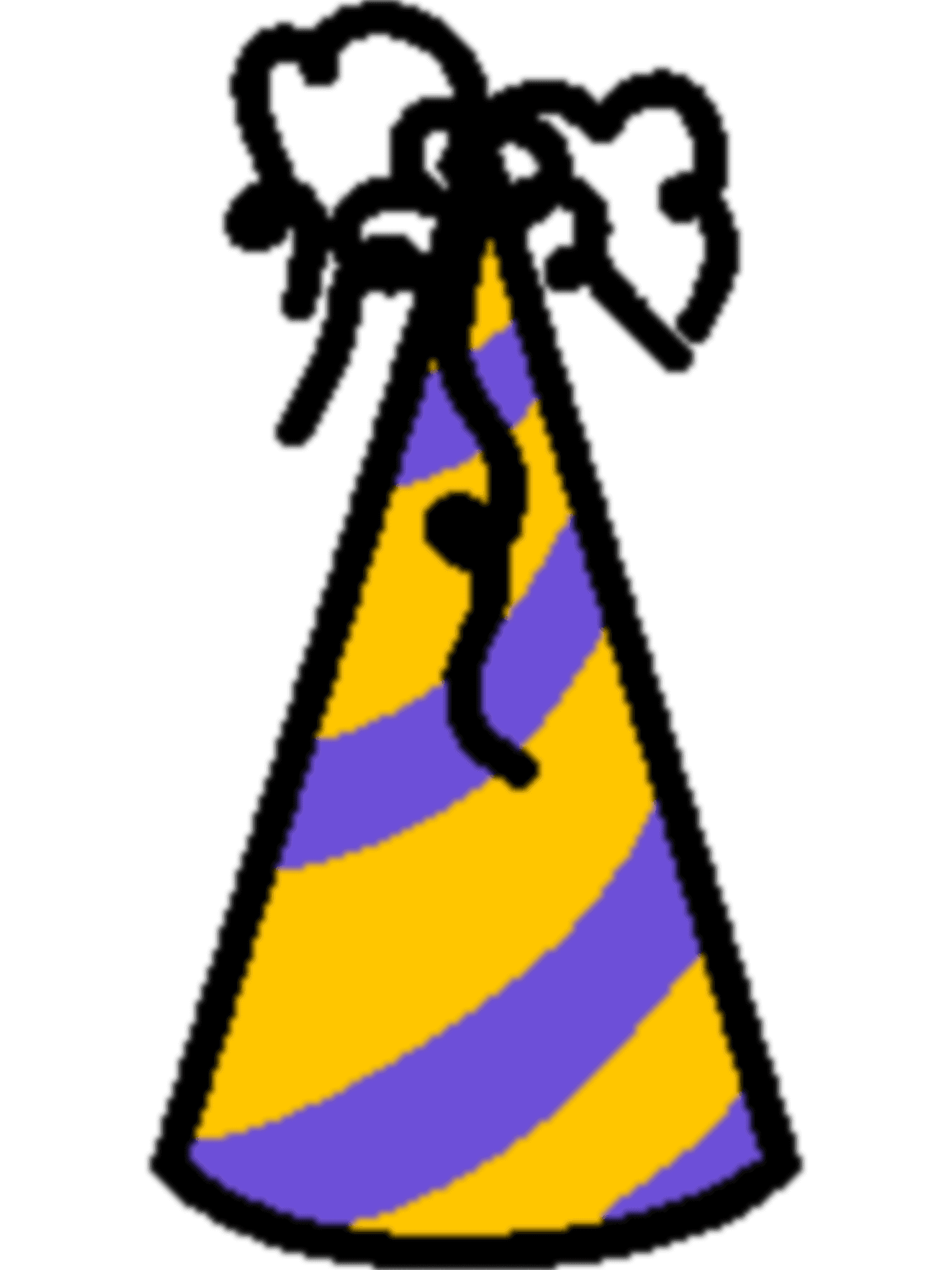
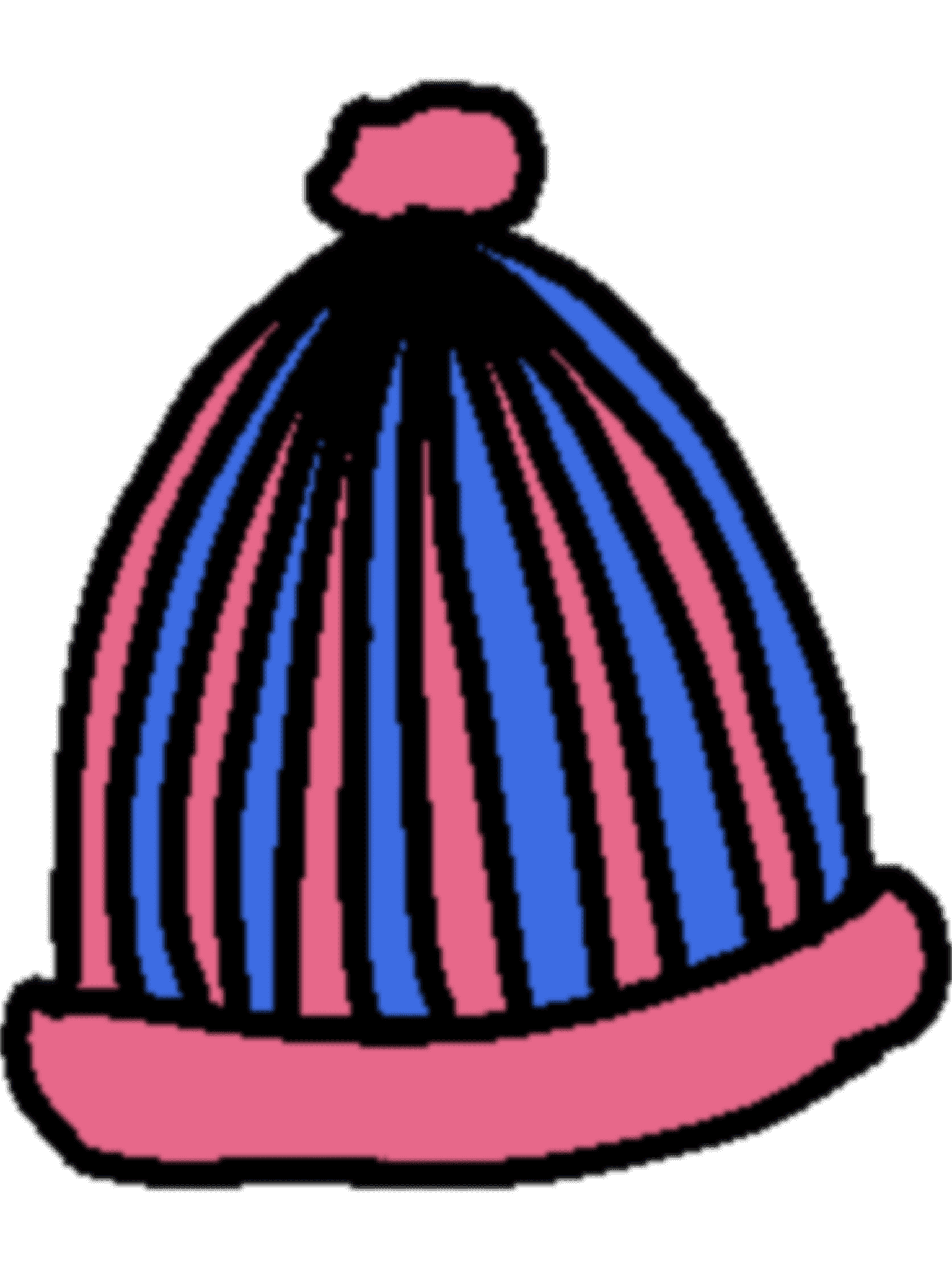
Note: Human figures in ideation are shown in blue to avoid representing a specific skin colour or race. They are NOT aliens.
Substitute:
Combine:
Adapt:
Hat-shaped burger buns: Buns designed to hold the patty and fillings securely, with grip-friendly areas to prevent squishing.
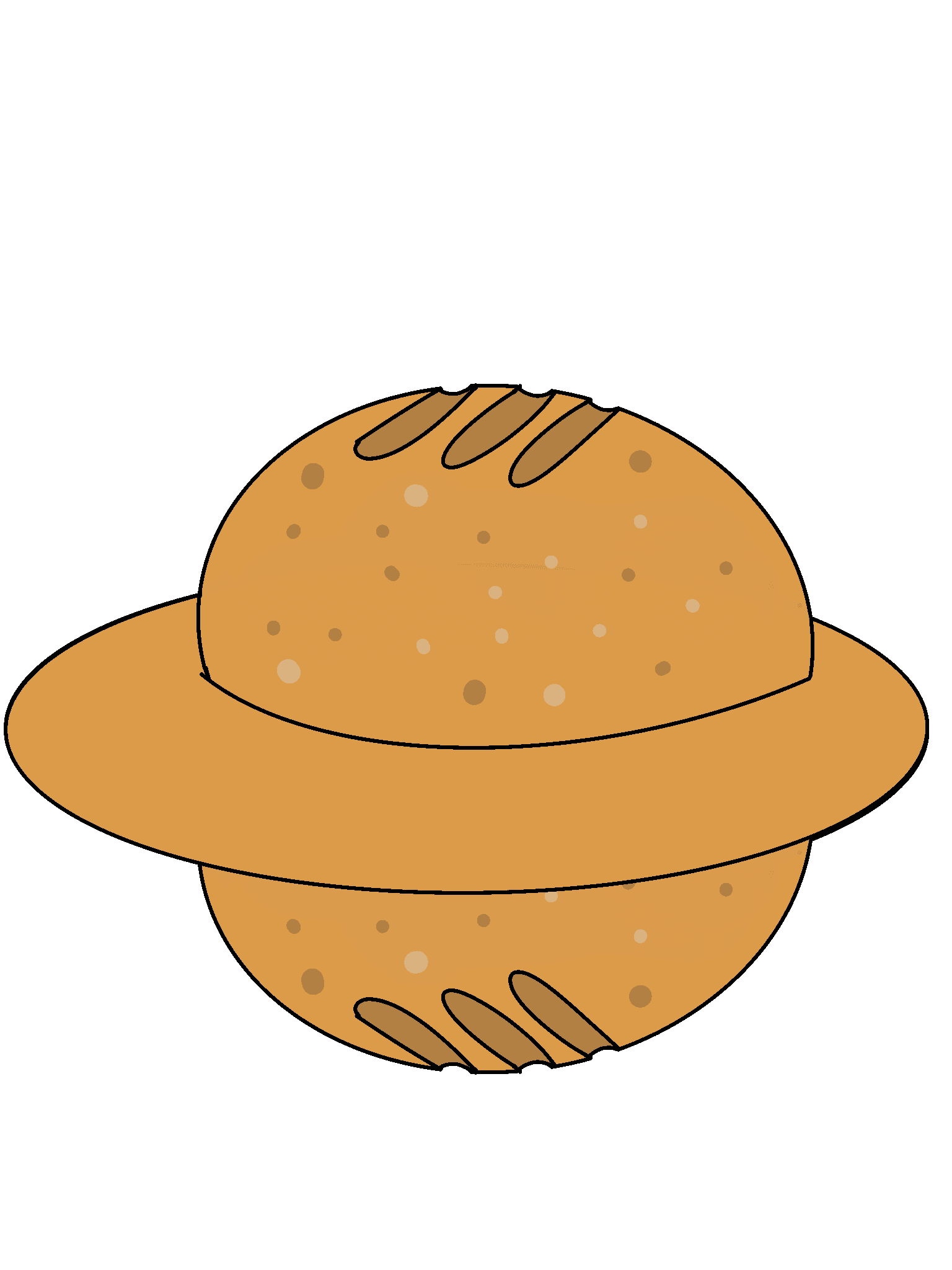
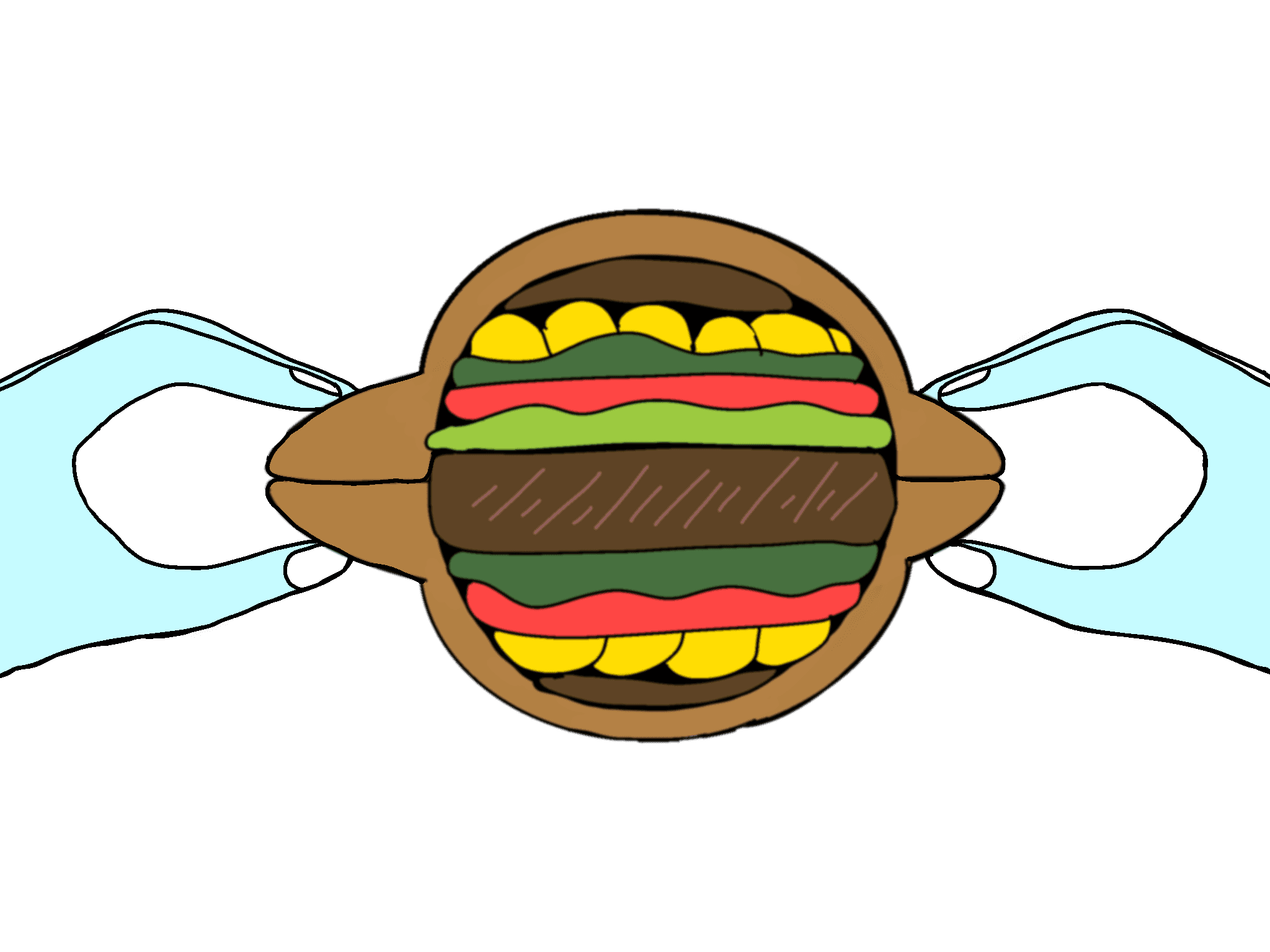
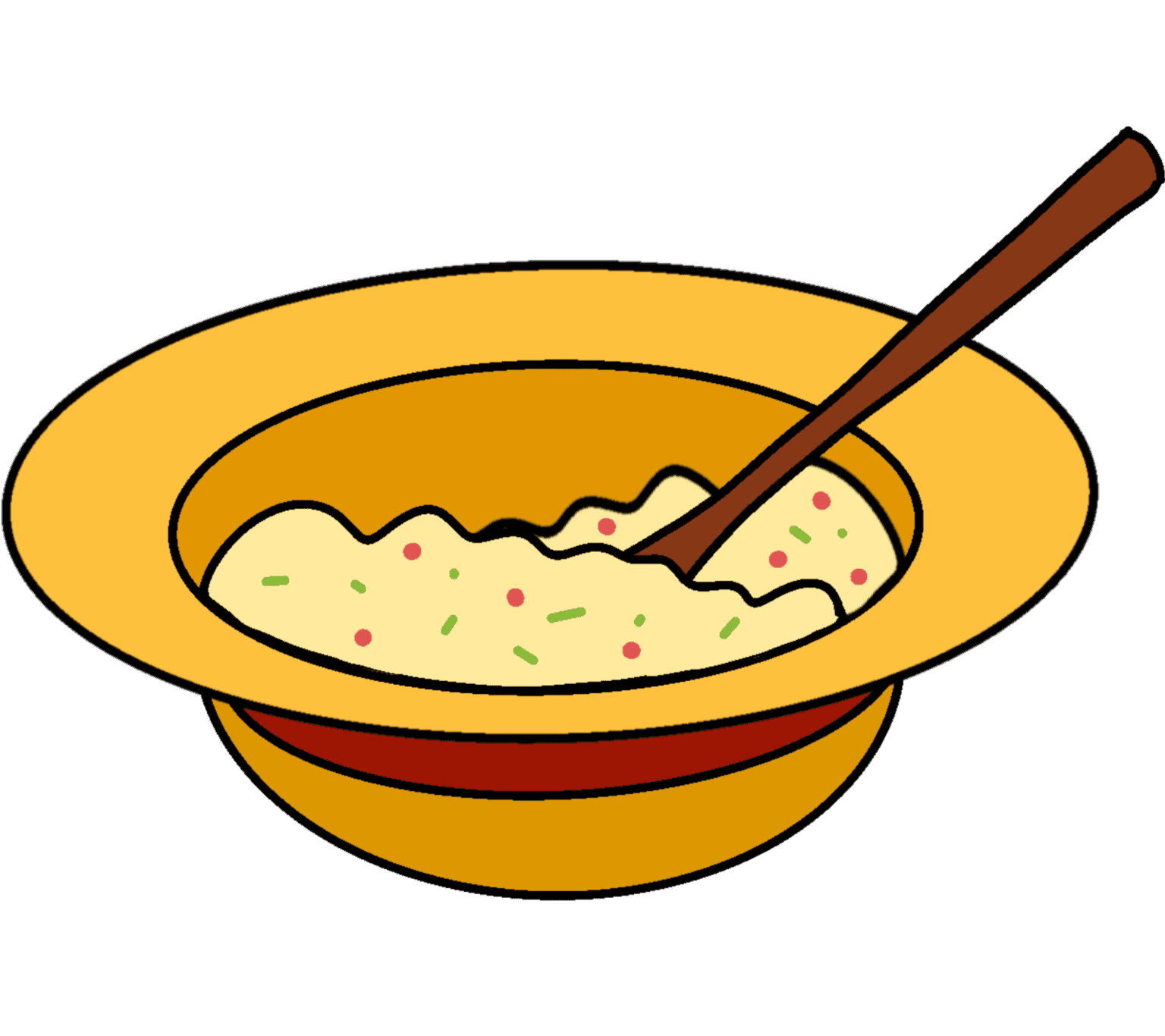
Ceramic, metal, or glass bowl: Replace hat materials with ceramic, metal, or glass to create a multi-functional bowl, blending style with practicality.
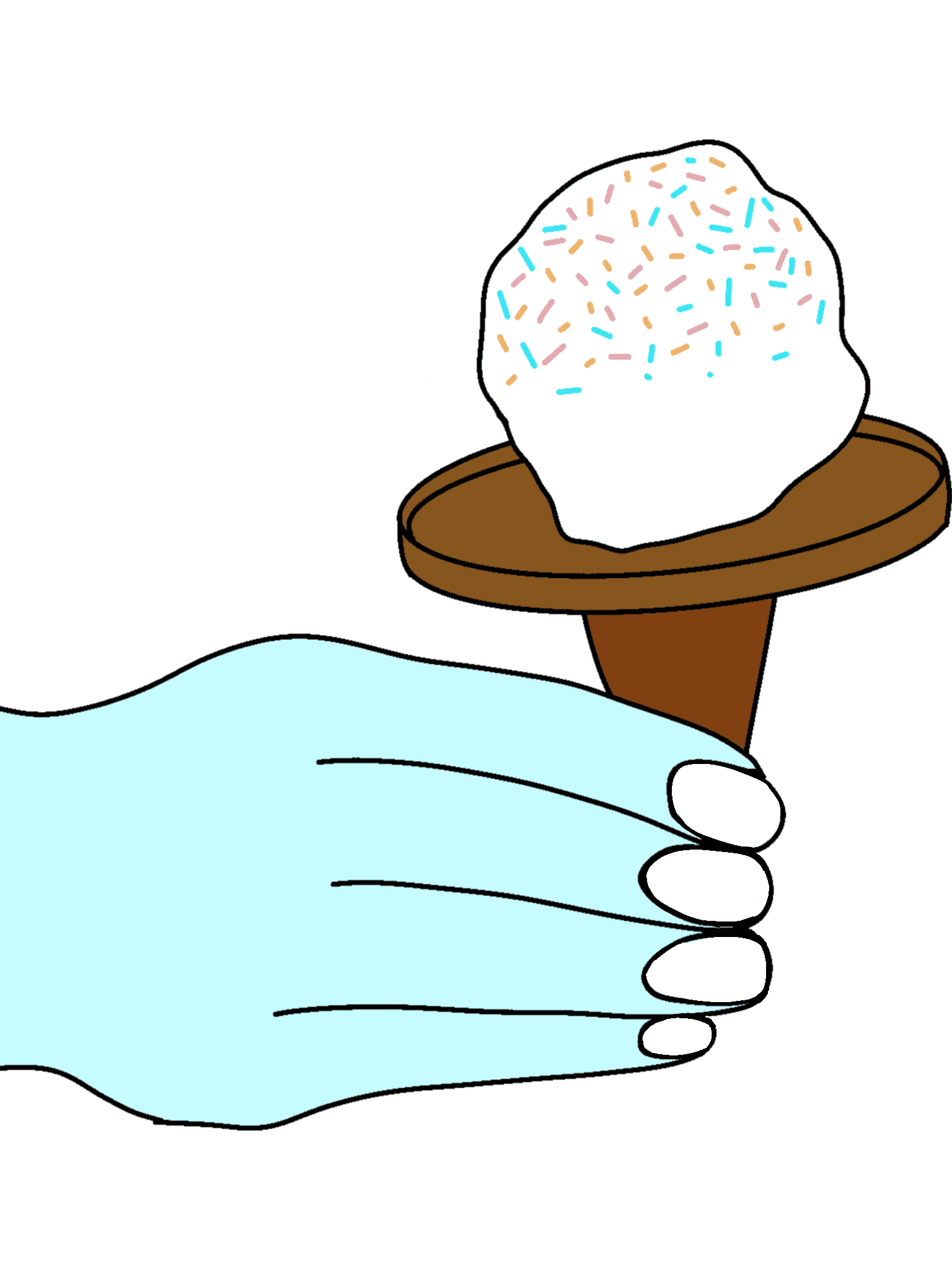
Ice cream cone with rim: A cone with a rim to catch melting ice cream, preventing drips and messes.
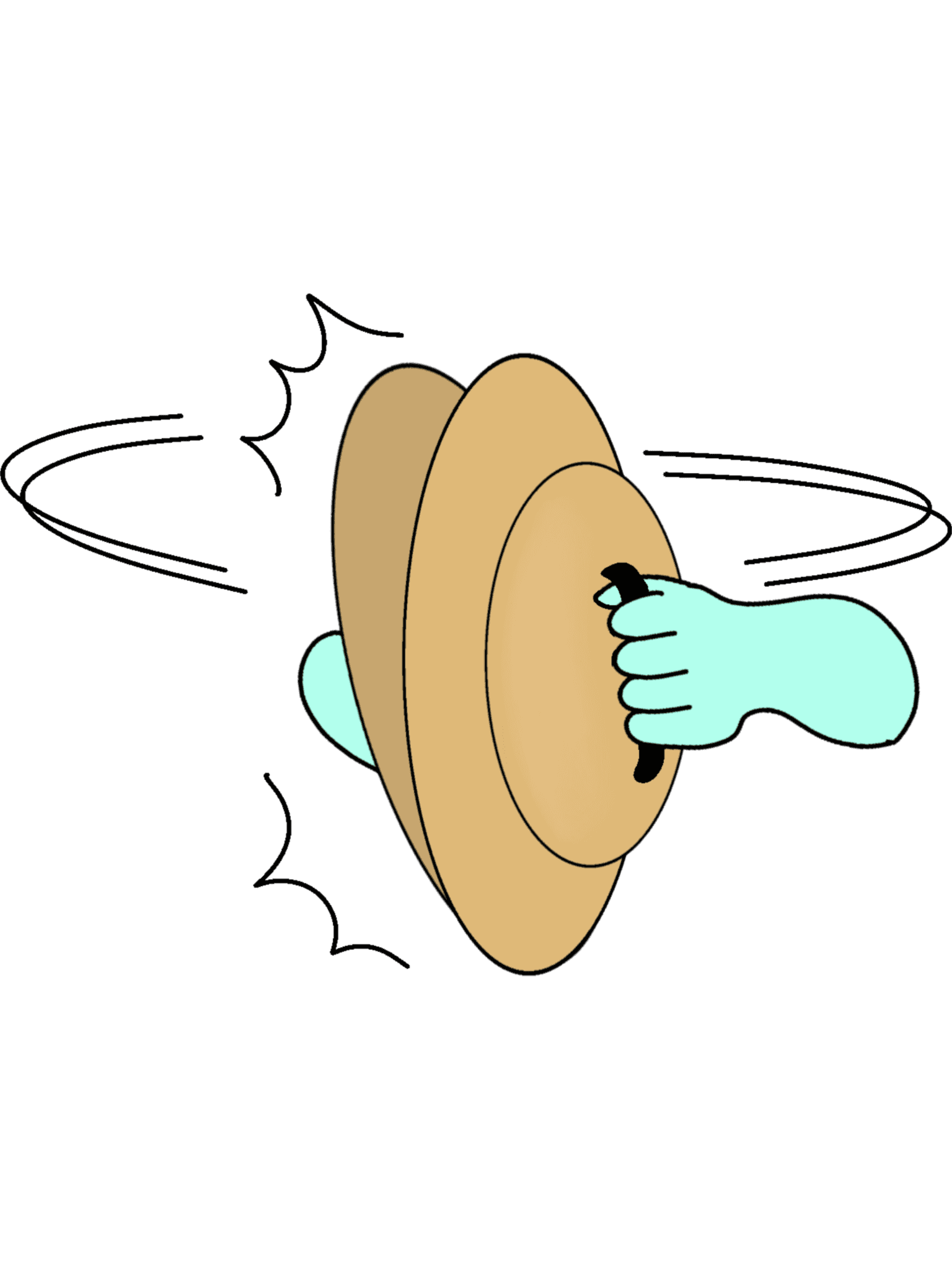
Musical cymbals: Standard cymbals used in bands and orchestras for rhythm and accentuation.
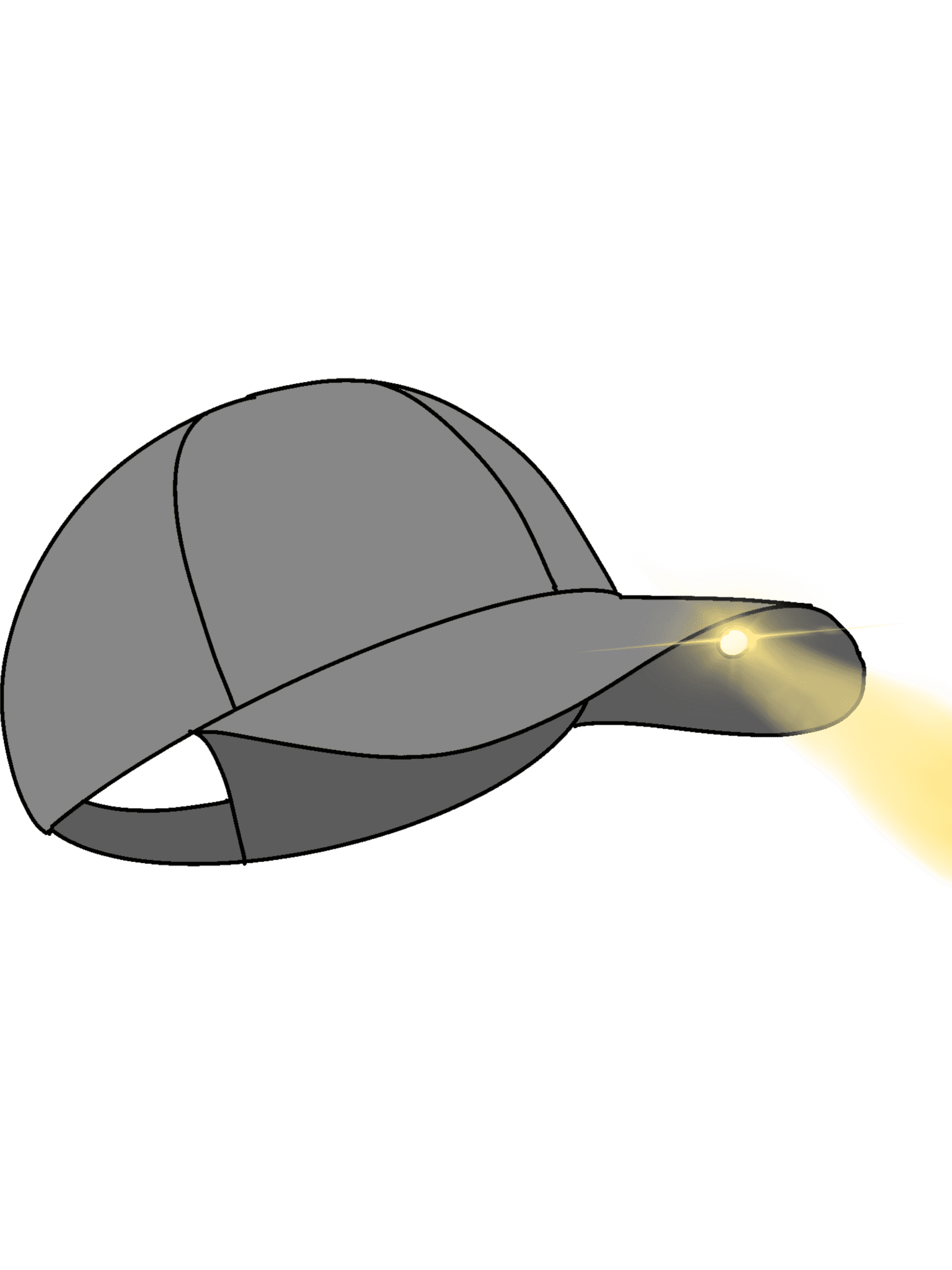
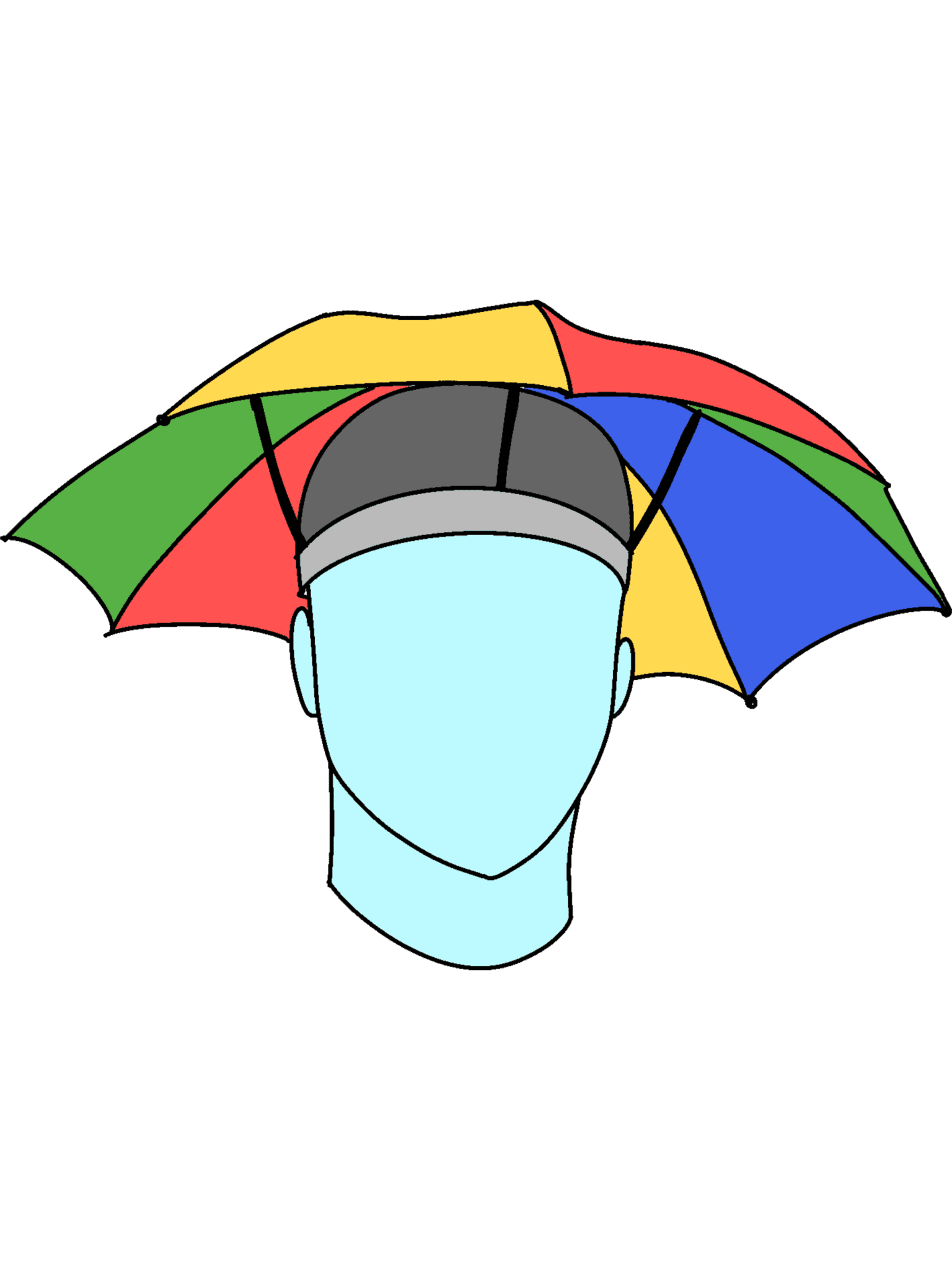
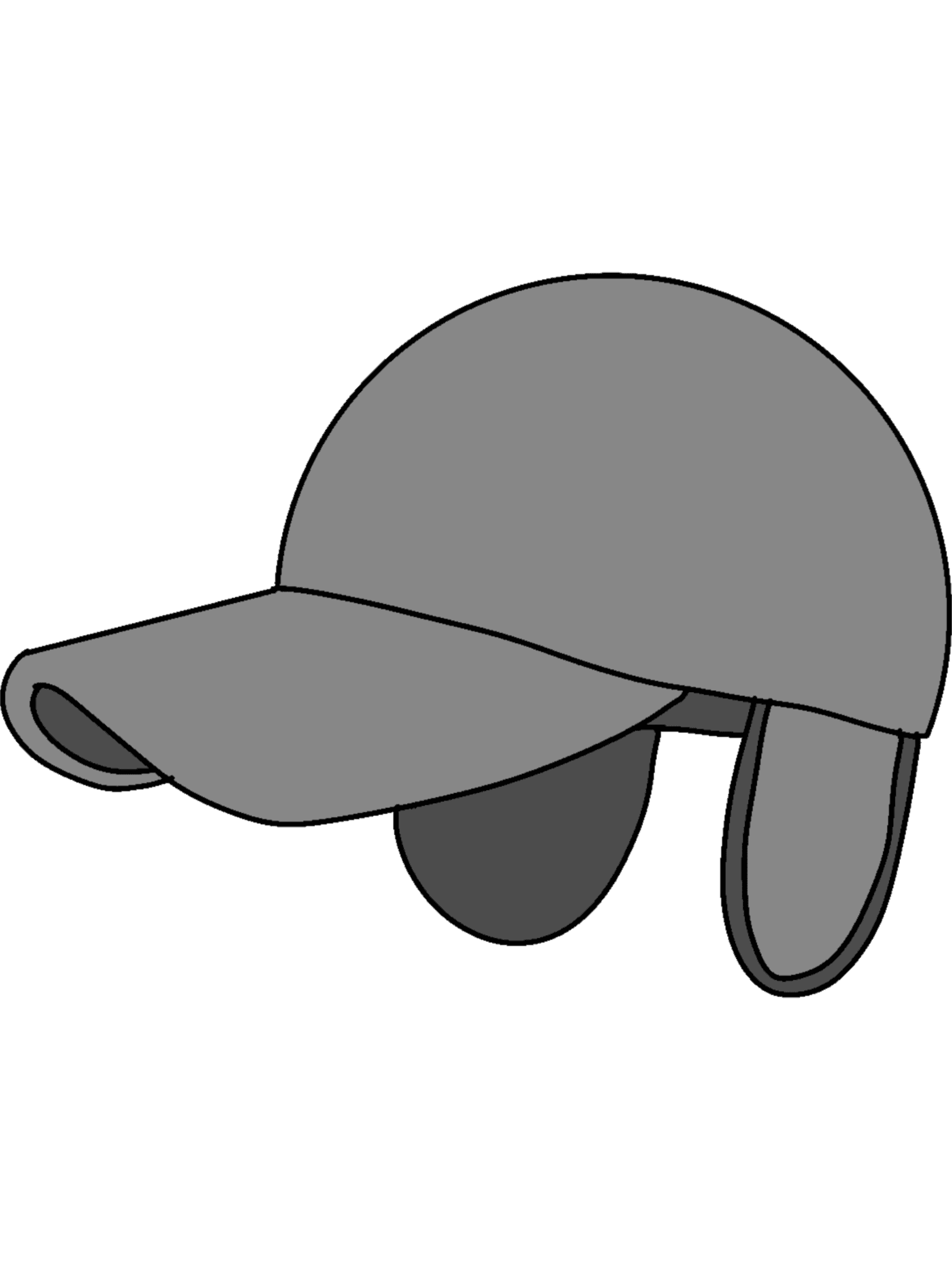
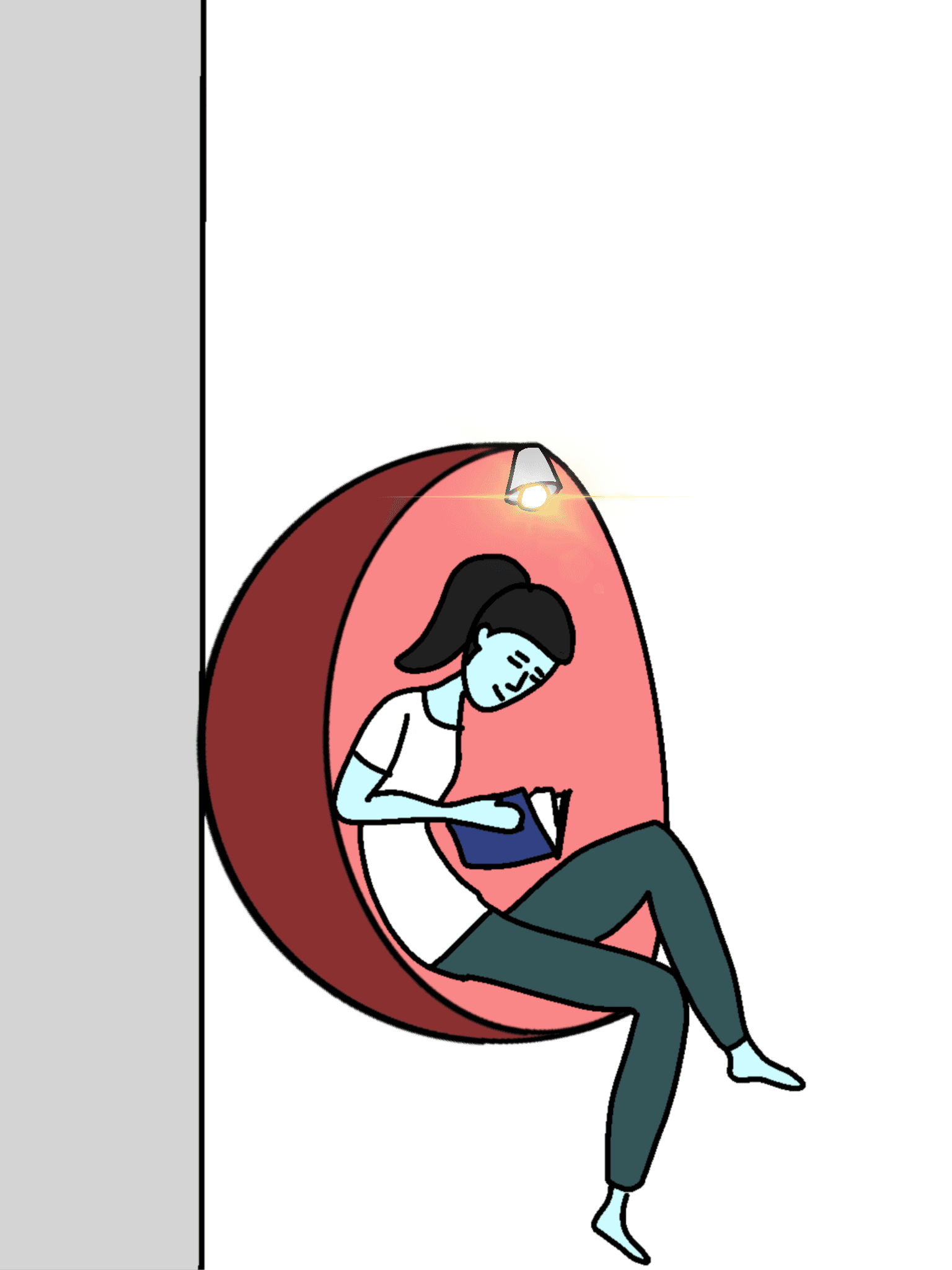
Reading light hat: A hat with an integrated reading light for hands-free reading in low light.
Hat-umbrella hybrid: A hat combined with an umbrella for hands-free rain or sun protection.
Winter hat with ear muffs: A winter hat with built-in ear muffs for warmth and comfort.
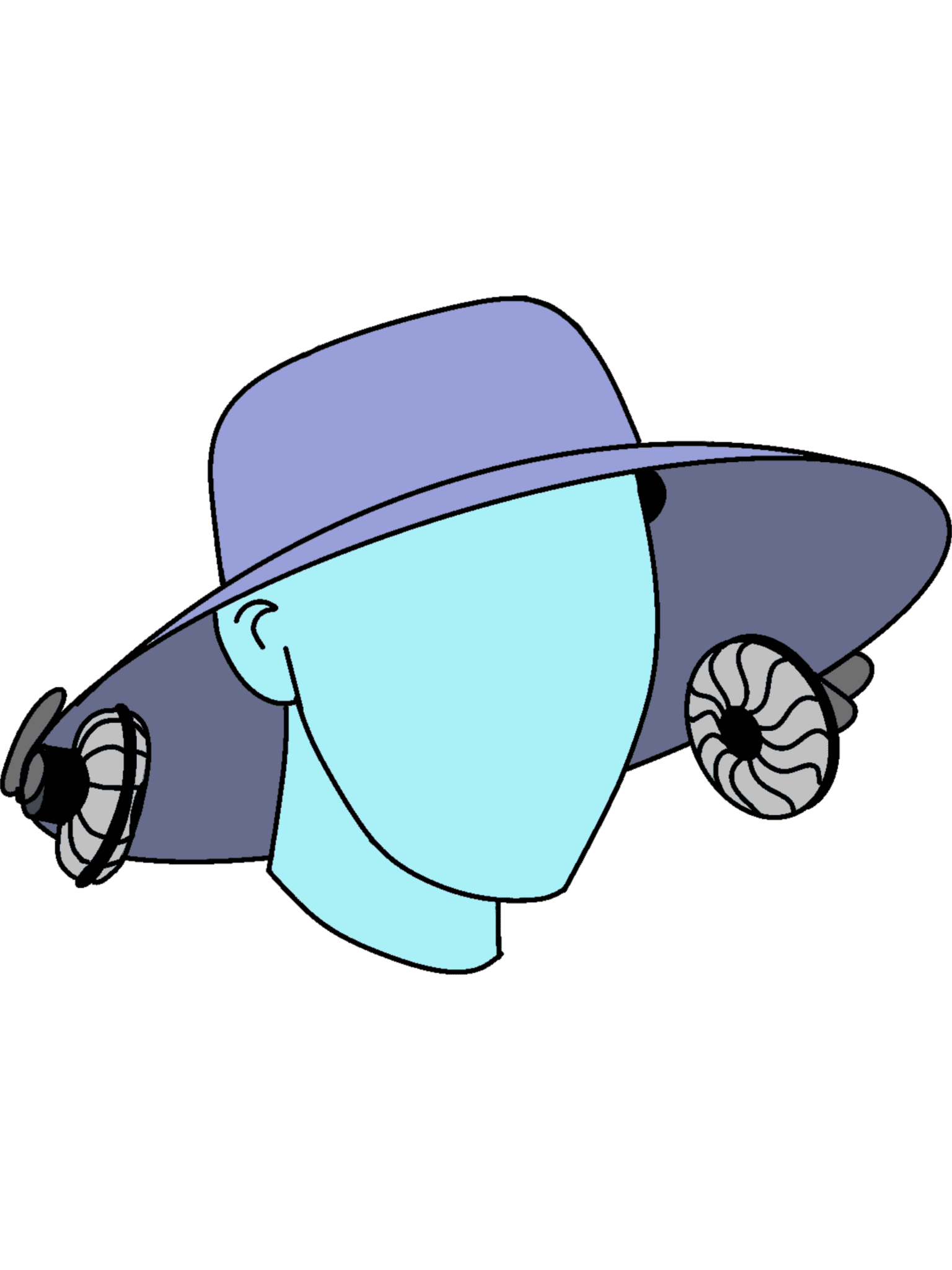
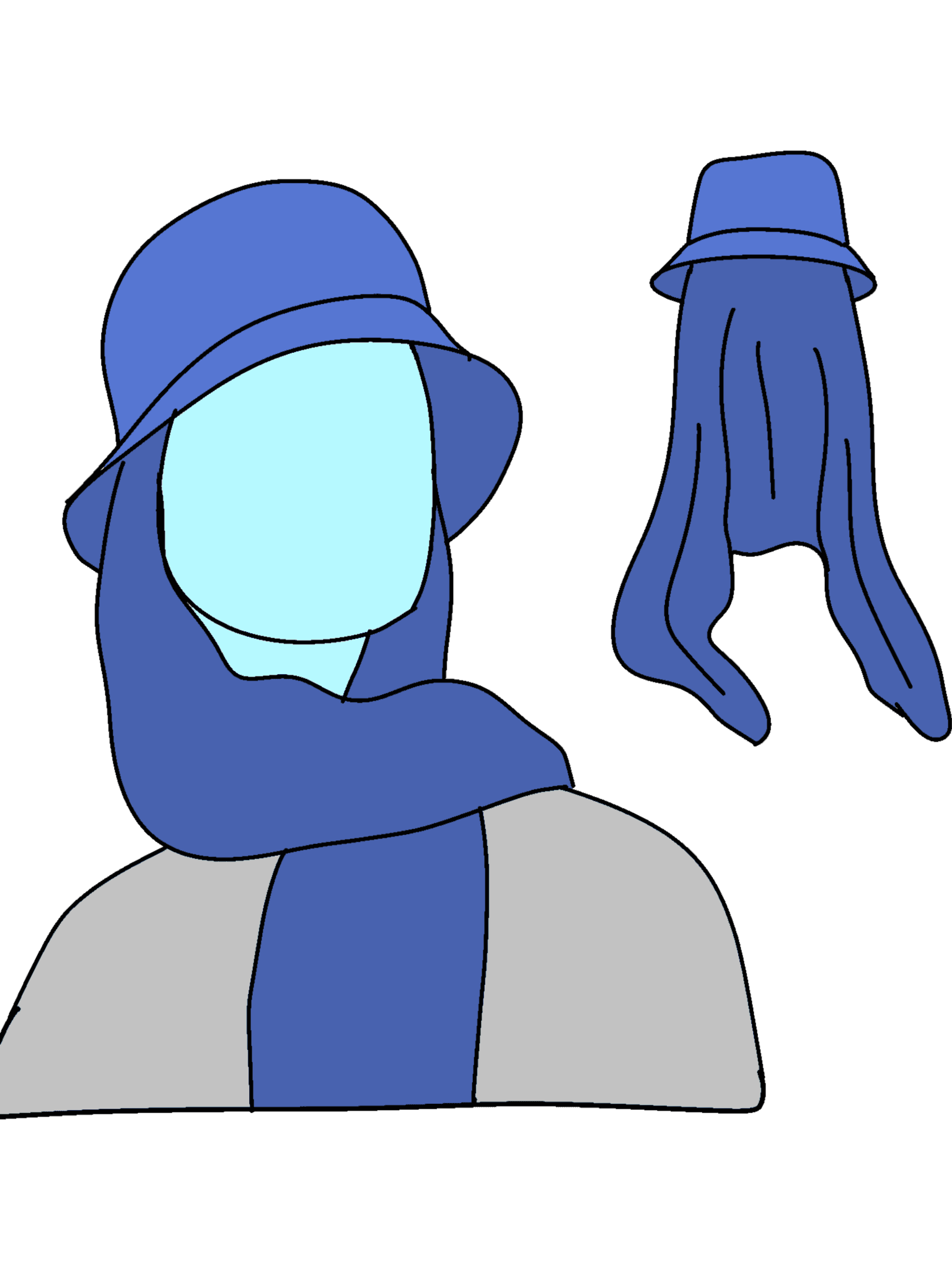
Summer hat with fans: A hat equipped with small fans to stay cool on hot days.
Hat with scarf: A hat with an attached scarf for added sun protection and style
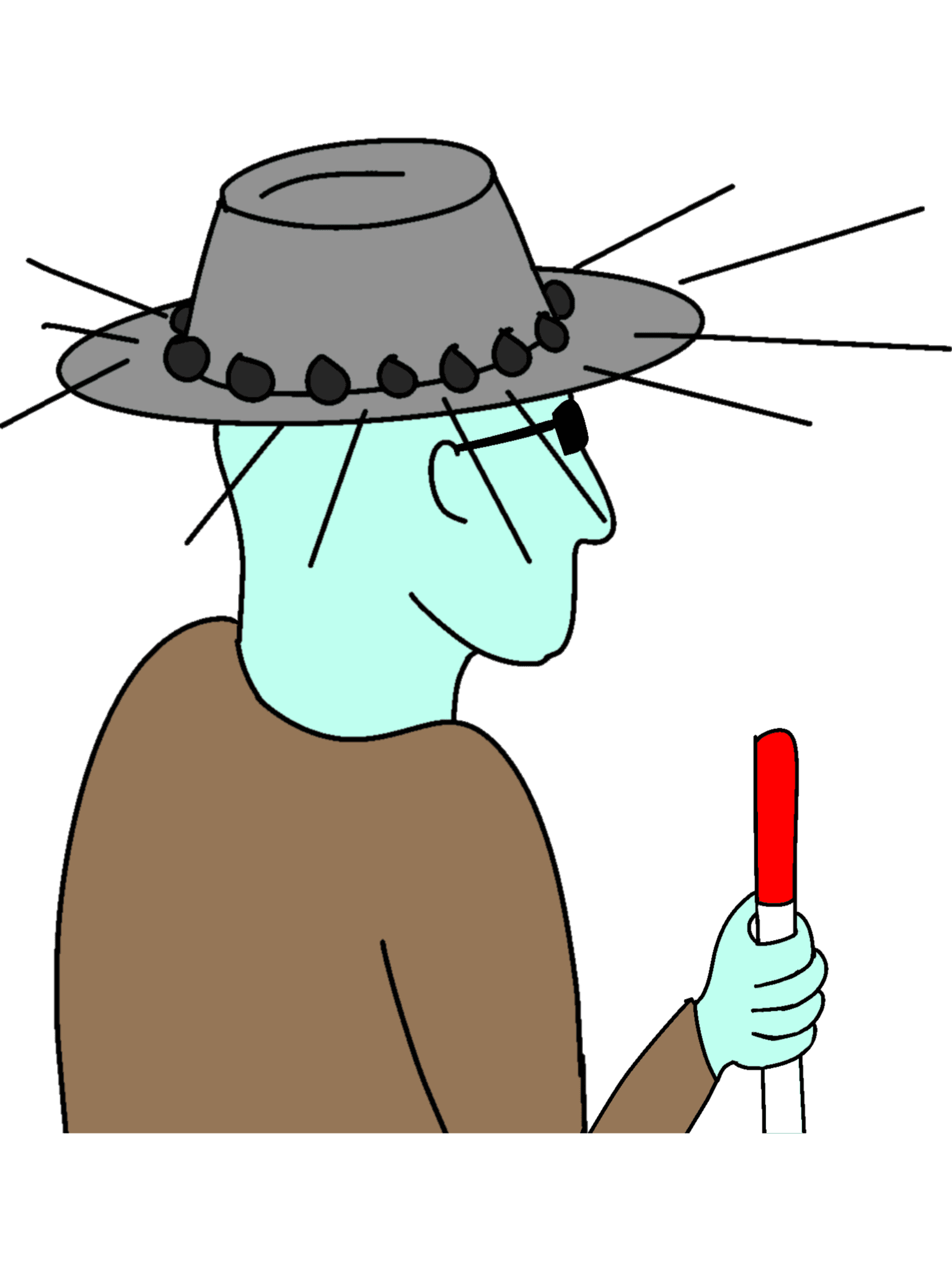
Hat with sensors: A high-tech hat with sensors to help visually impaired users detect obstacles

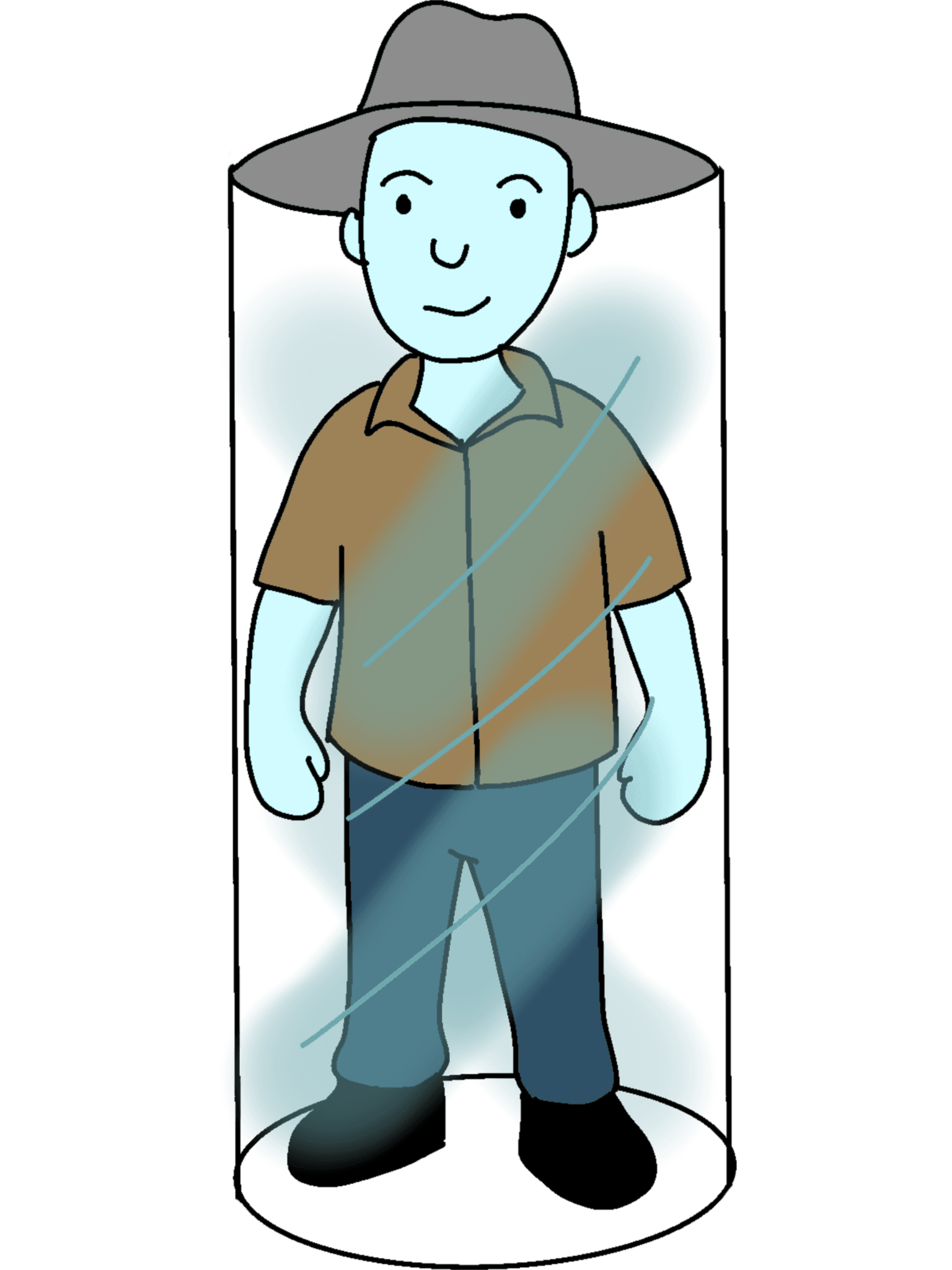

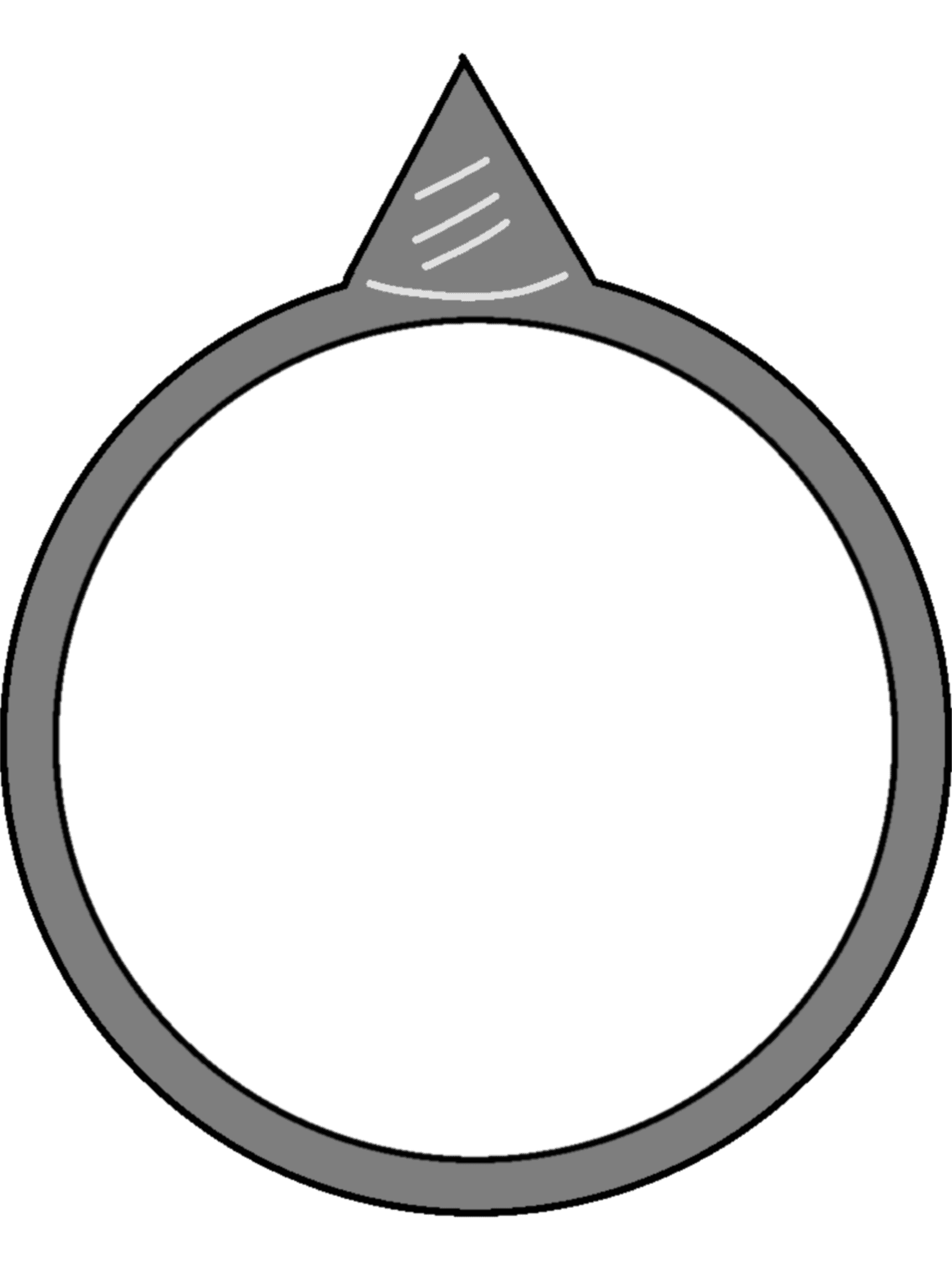
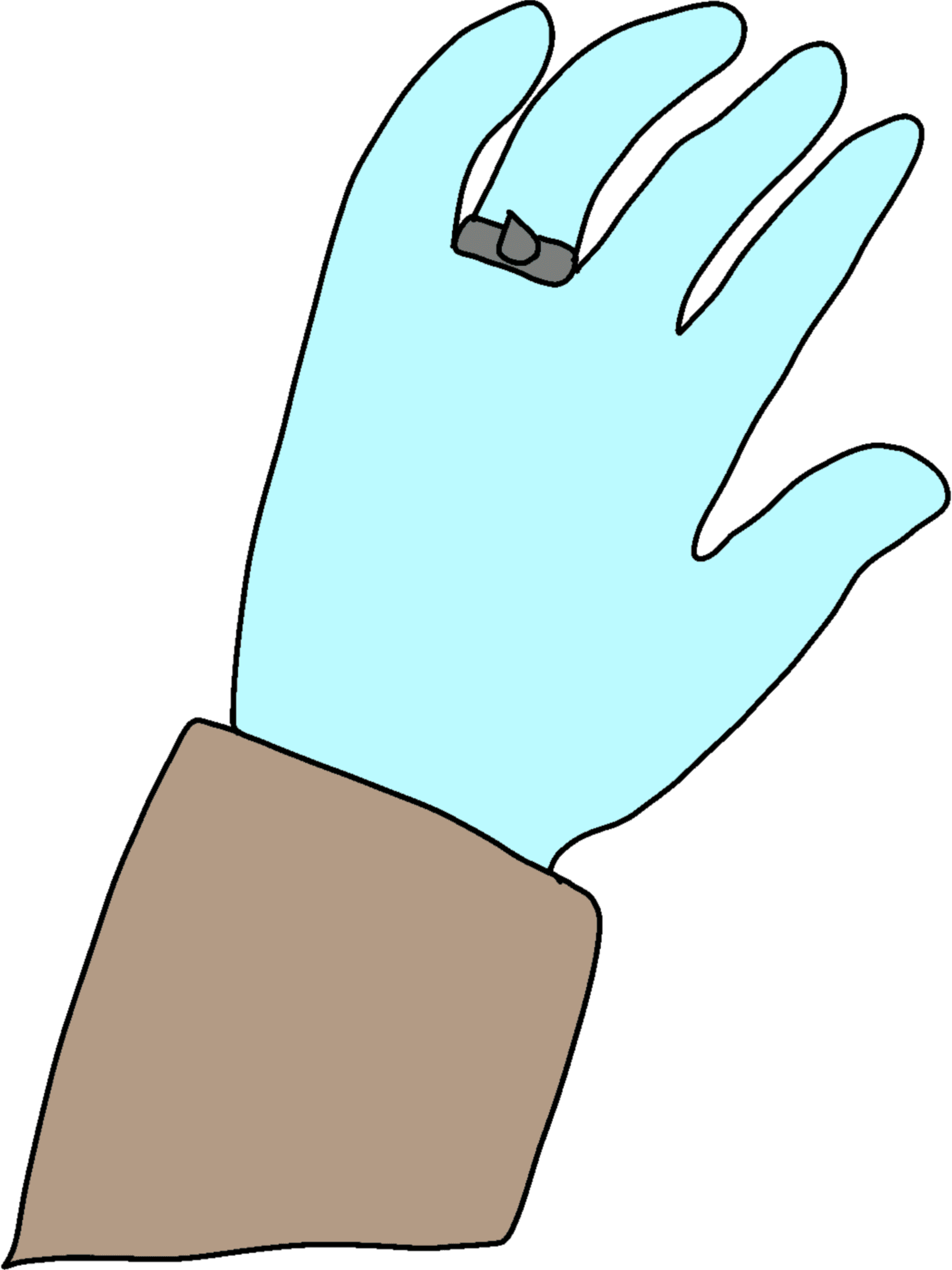
Hat as a traffic cone: Repurposing a hat into a portable traffic cone.
Hat as full-body protective gear: Transforming a hat into part of weather-protective gear.
Summer hat with fans: A hat equipped with small fans to stay cool on hot days.
Summer hat with fans: A hat equipped with small fans to stay cool on hot days.
Modify (Magnify/Minify):
Put to Another Use:
Eliminate:
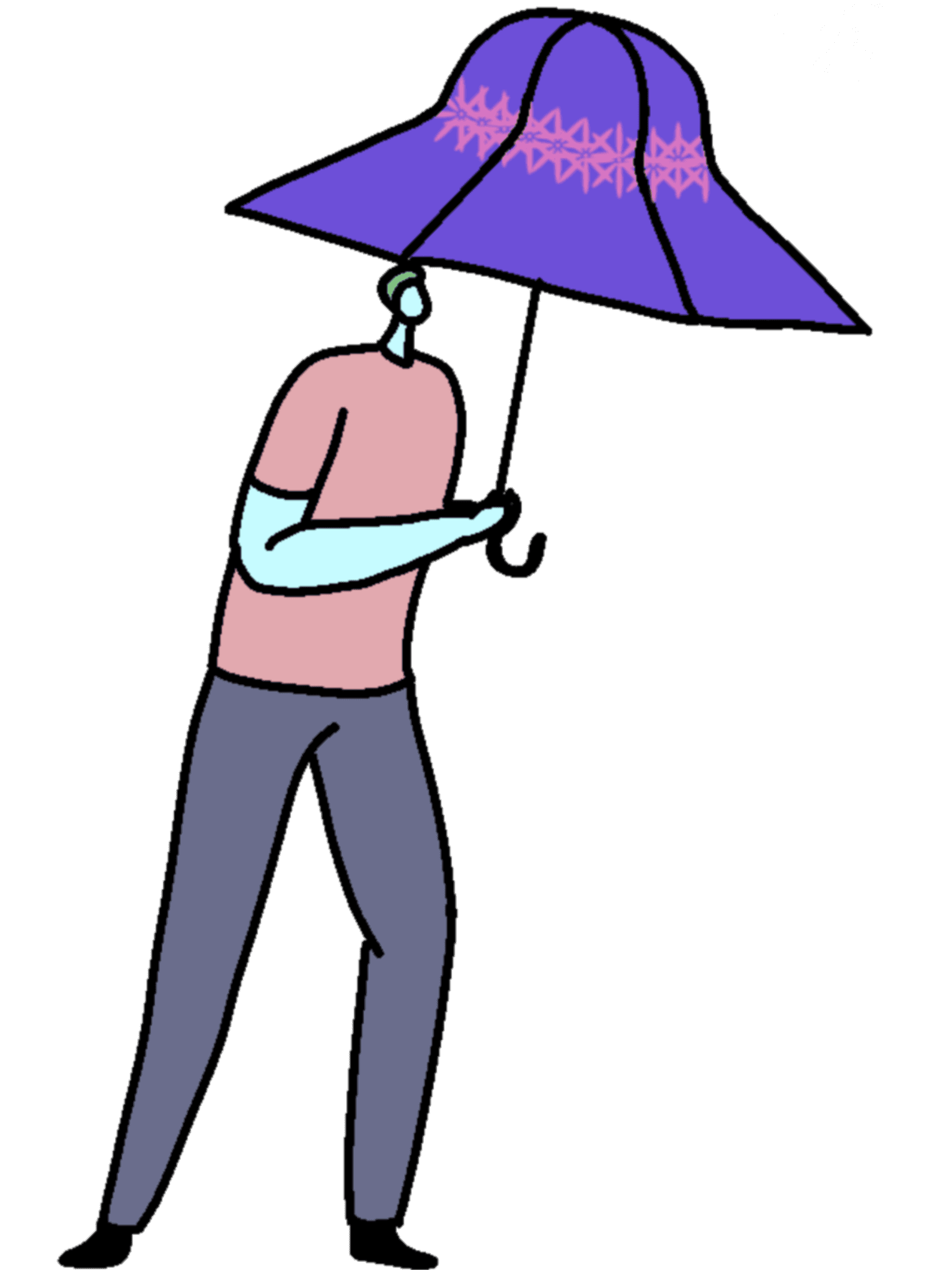
Hat as an umbrella: Expanding a hat to create an umbrella.
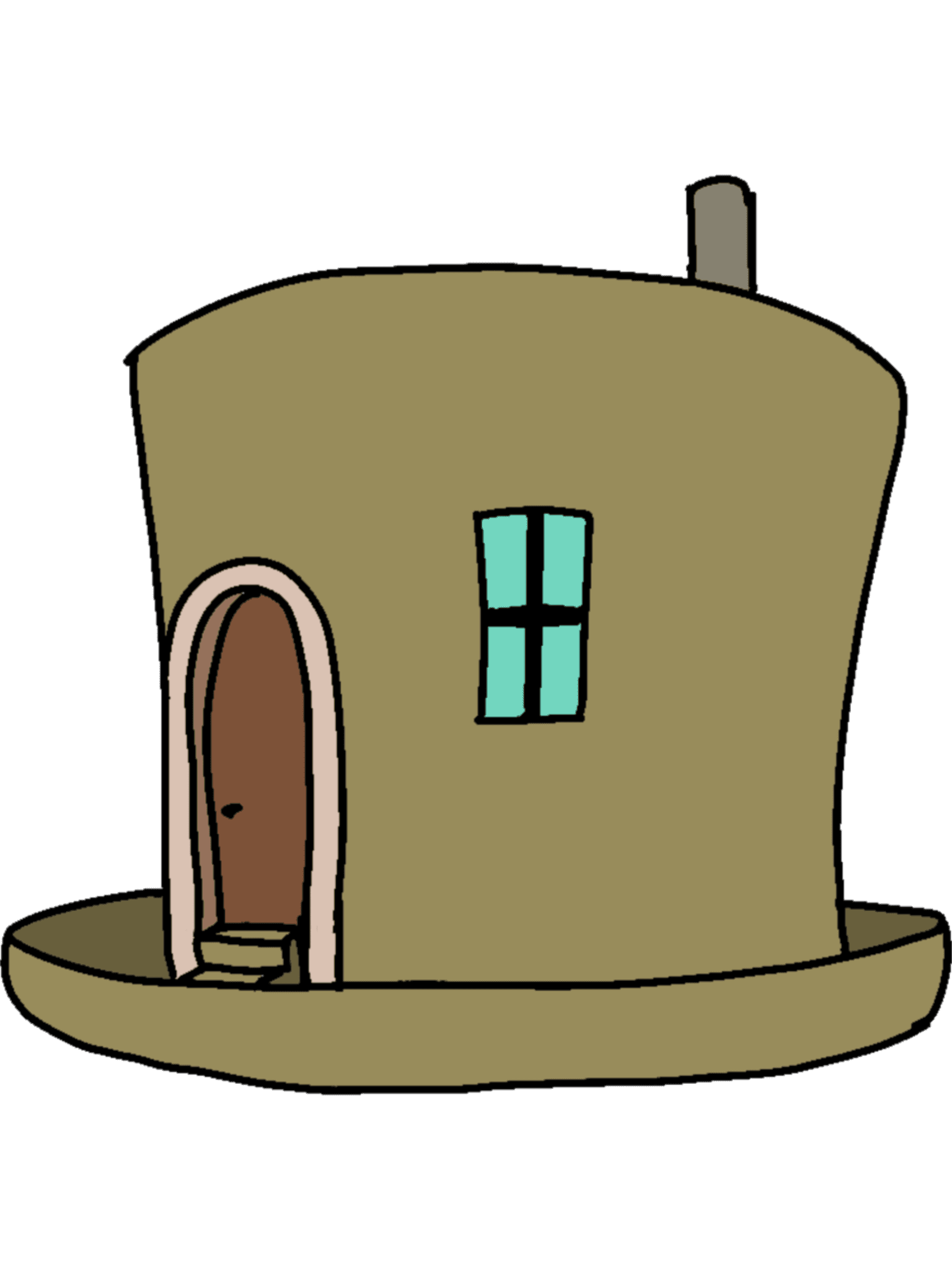
Hat as a house: Scaling up a hat to create a whimsical house.
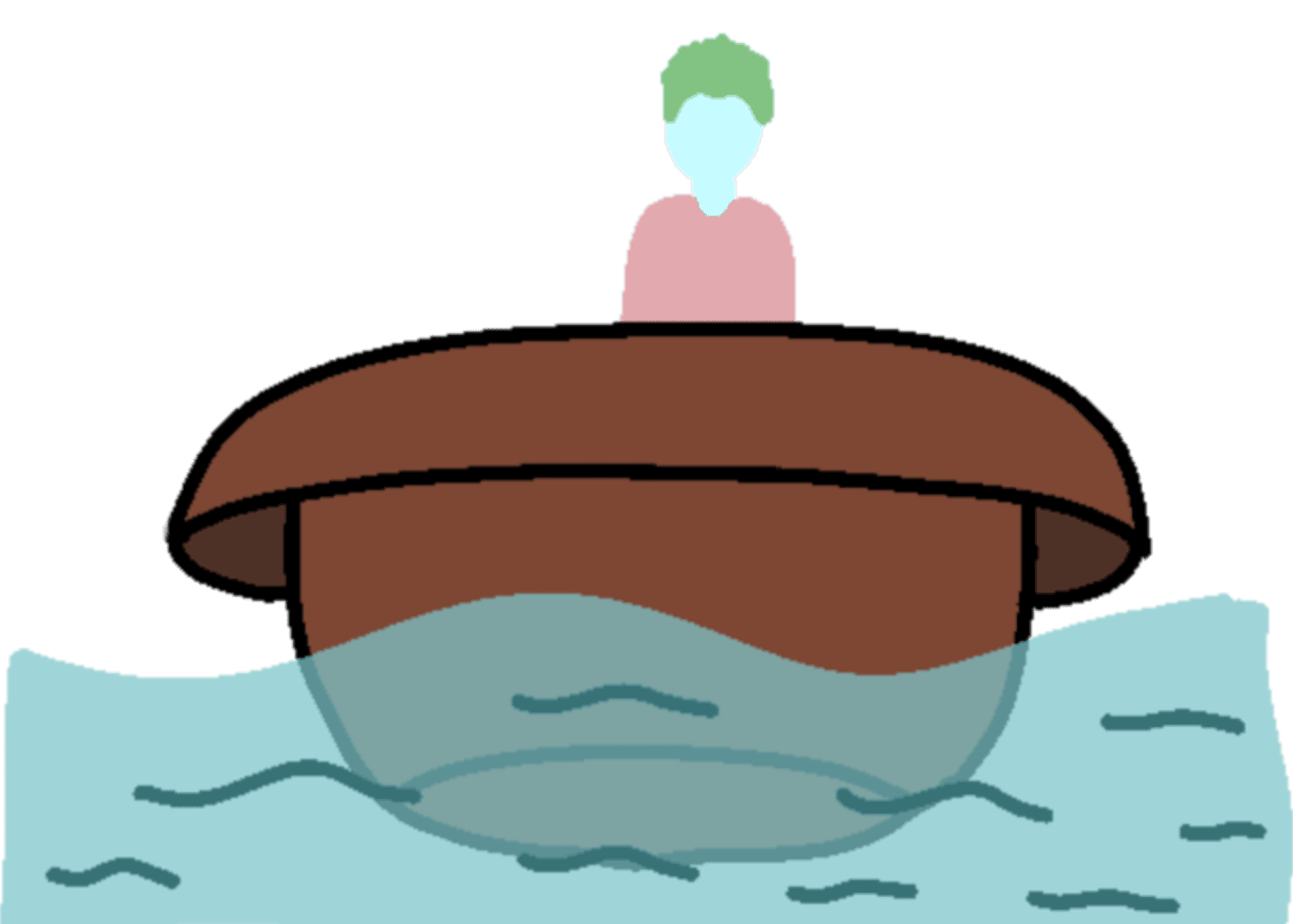
Hat as a boat: Enlarging a hat to function as a small boat.
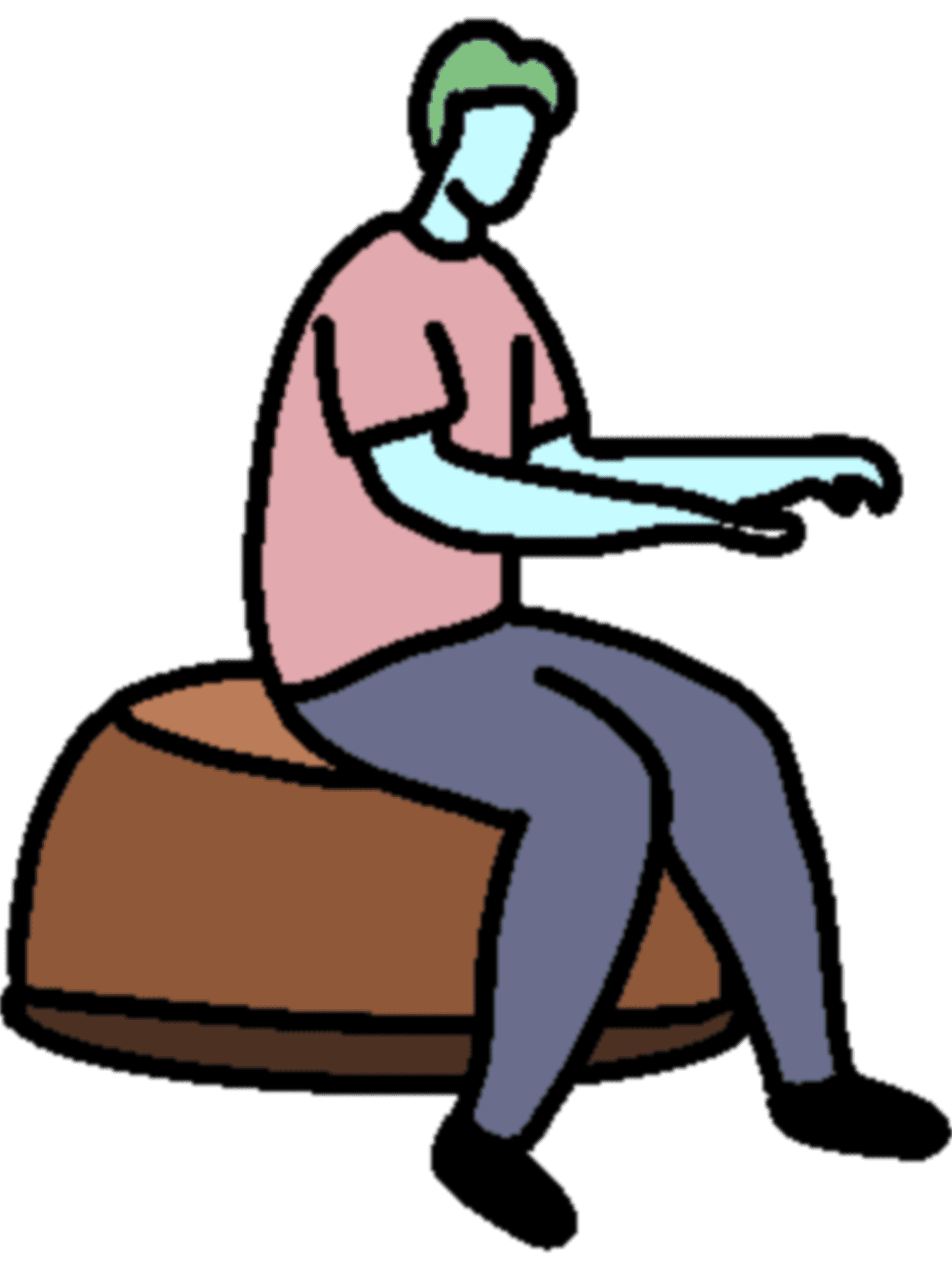
Hat as seat: Increasing the size of a hat to make a comfortable seat.
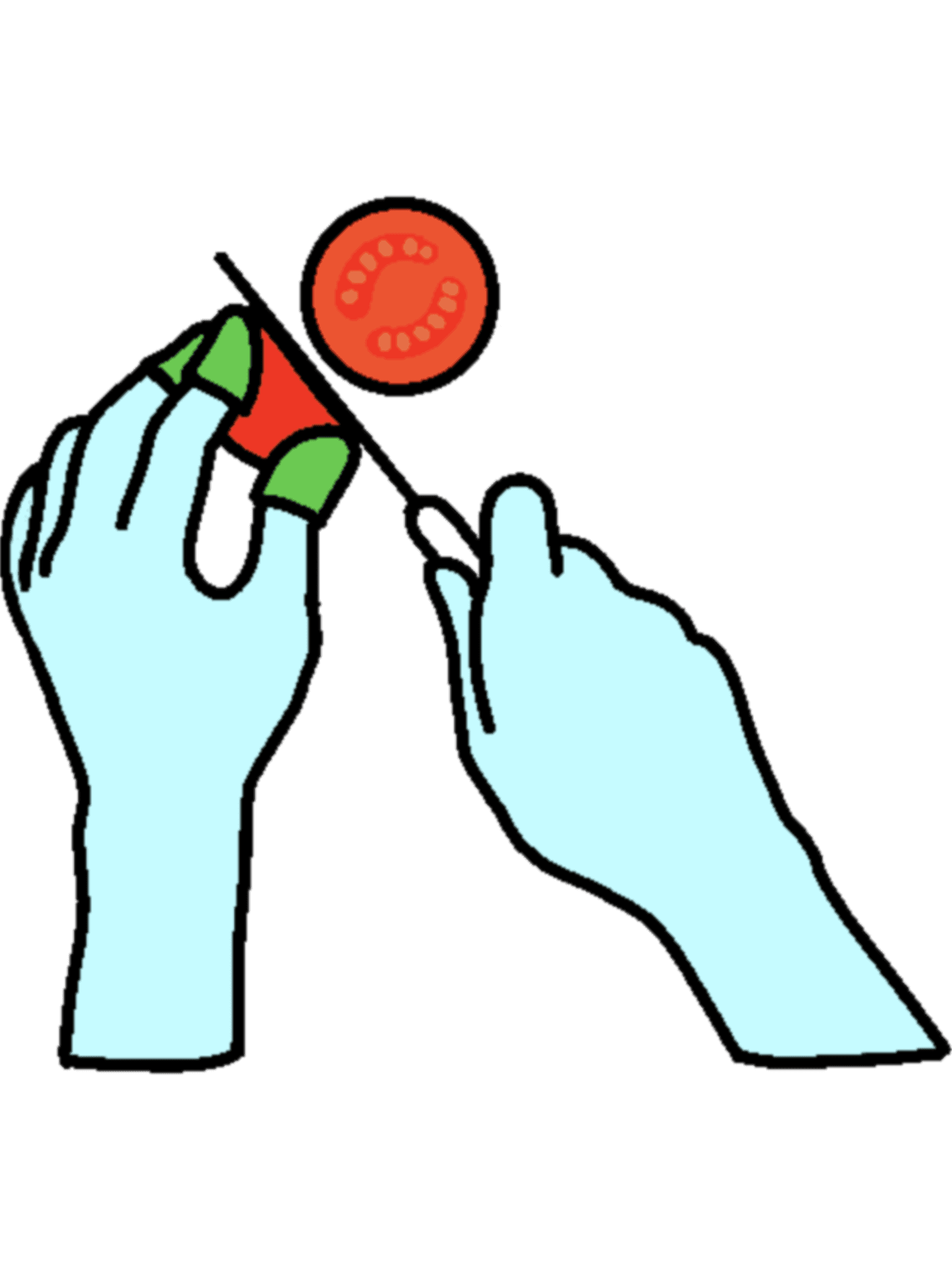
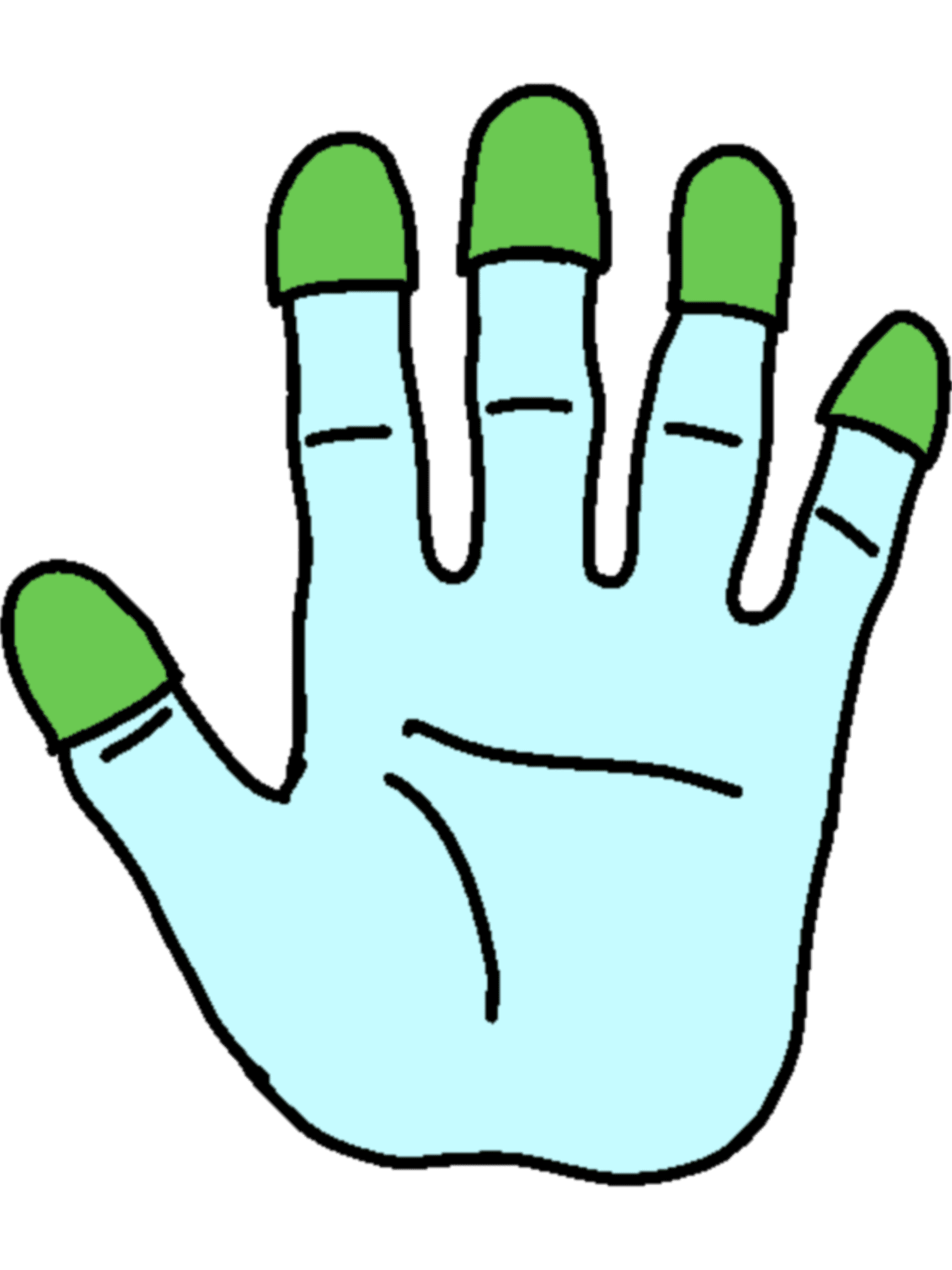
Finger protector hats: Mini hats to protect fingers while chopping.
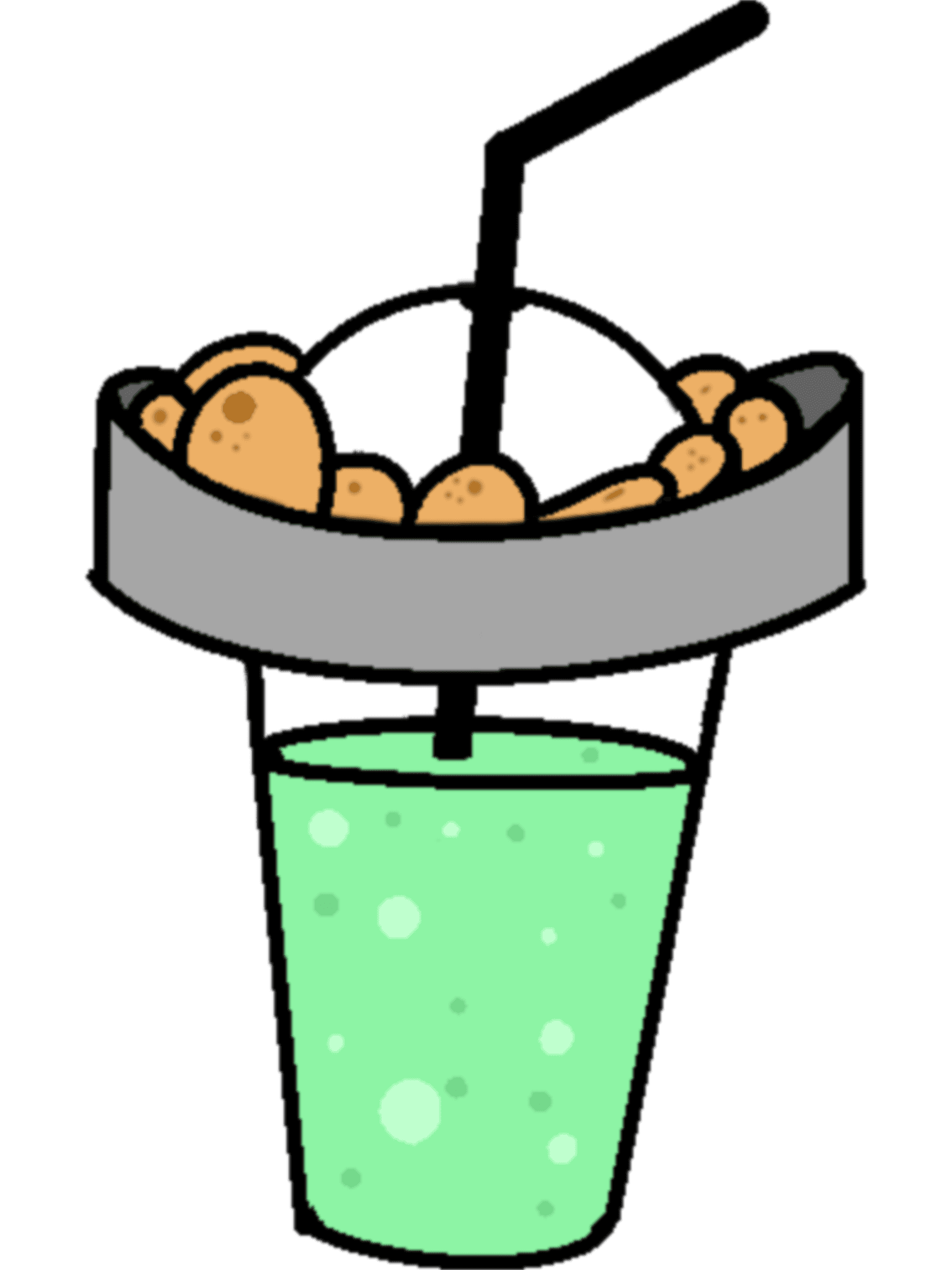
Glass lid and snack holder: Small hat-shaped lid with compartments for snacks.
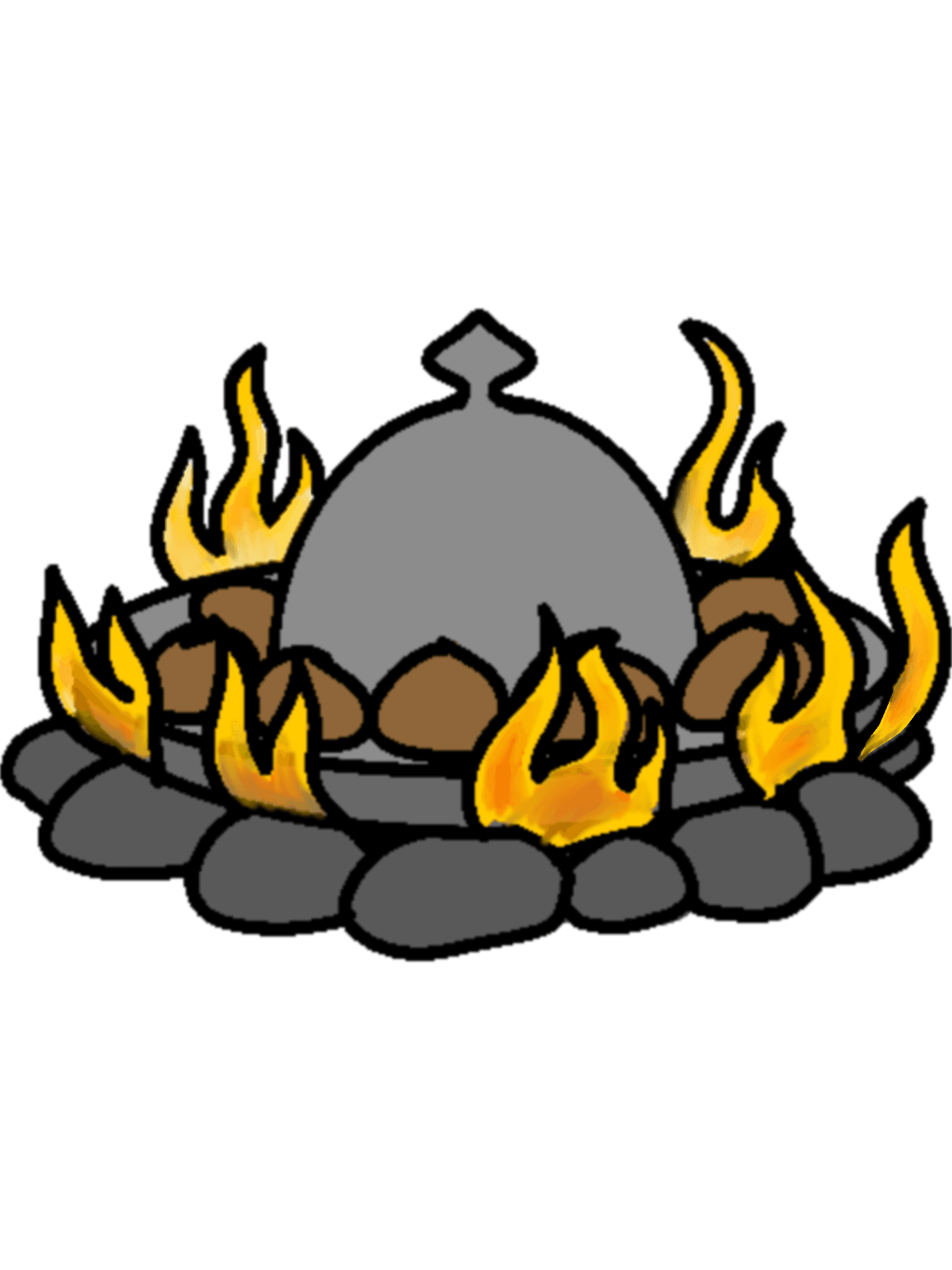
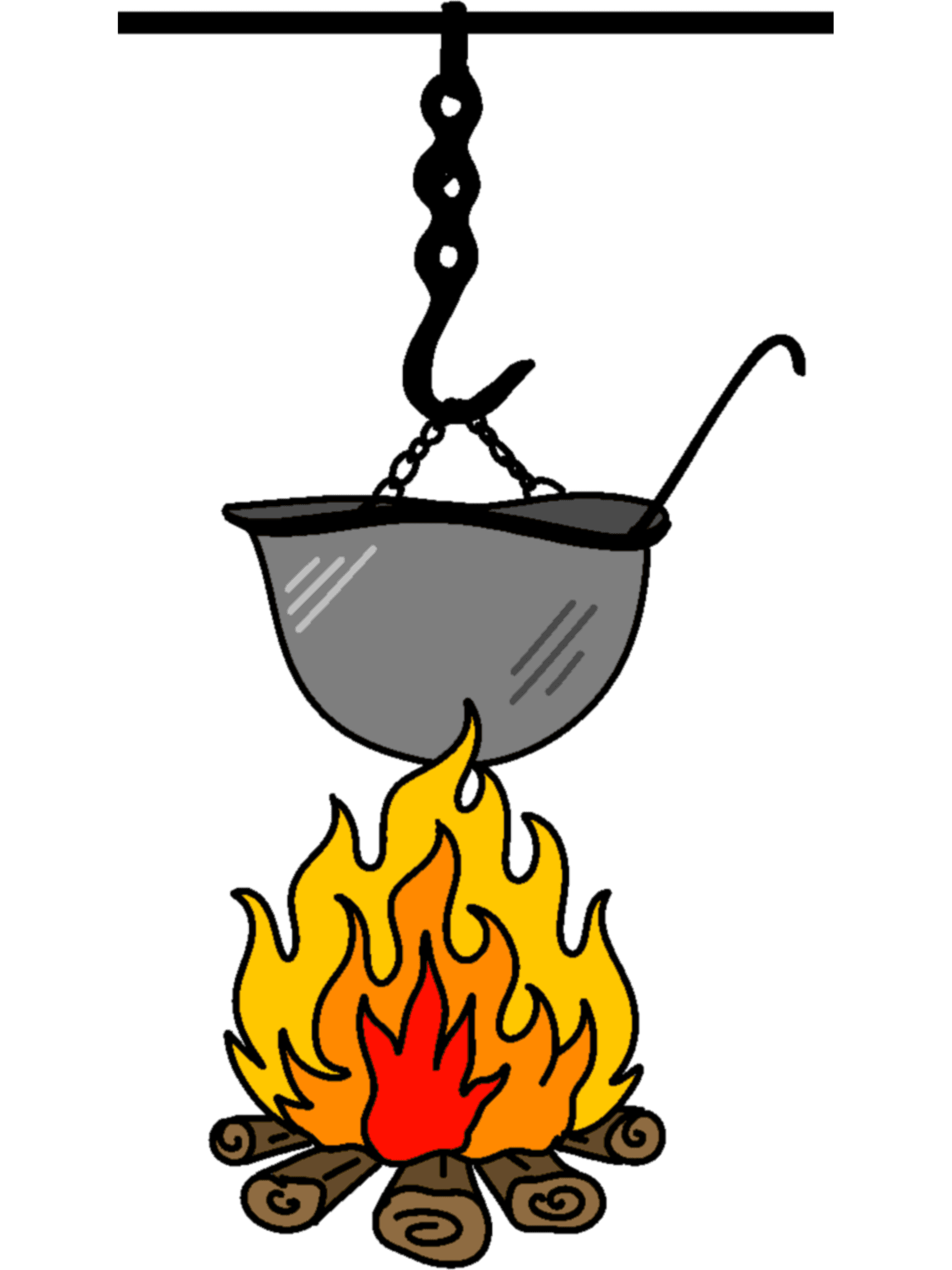
Helmet as cooking pot: Using a soldier's metal helmet as a cooking pot over a fire.
Helmet for forest cooking: Flipping a metal helmet to use as a cooking pot in the wilderness.
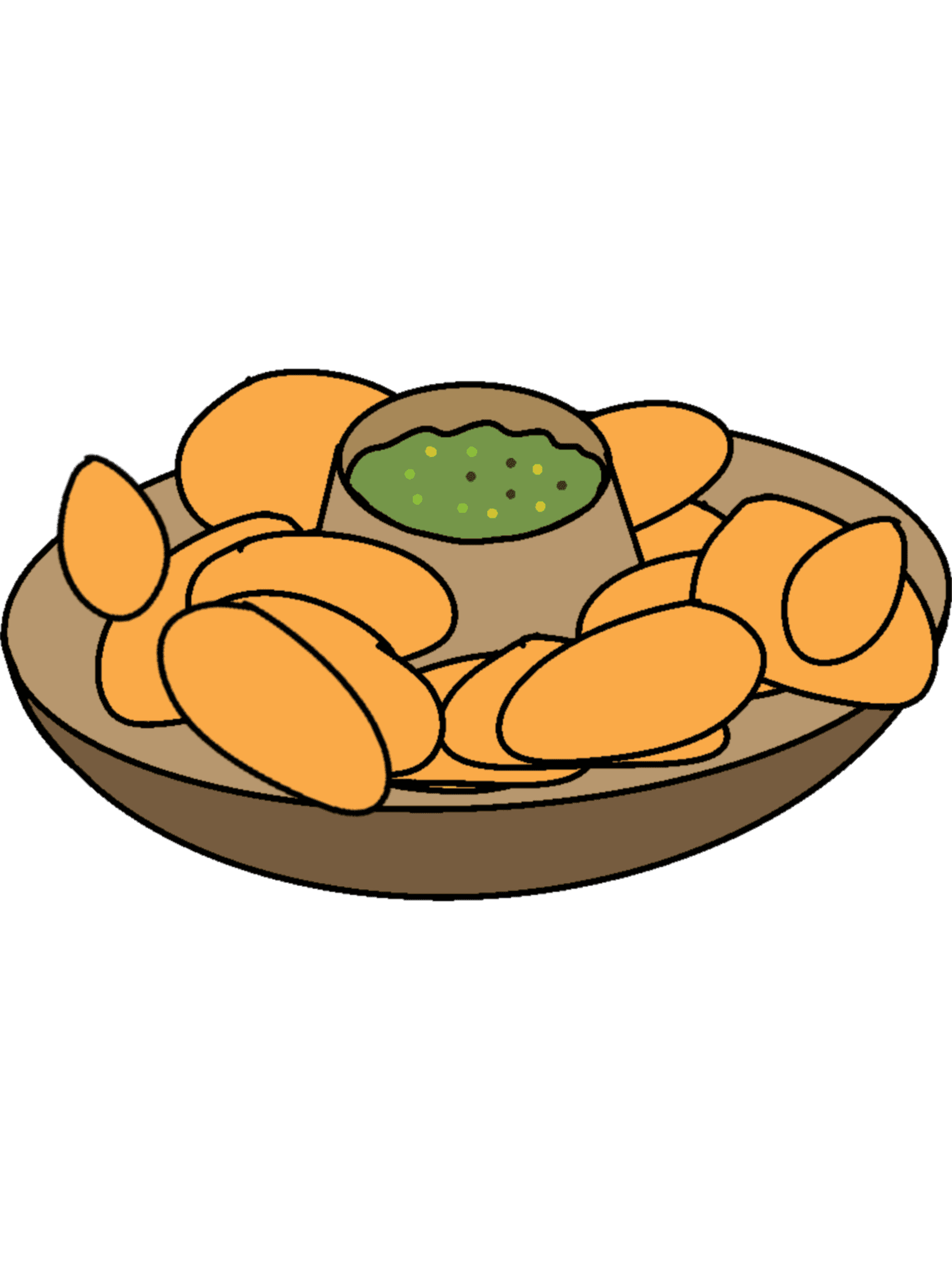
Hat as nacho and dip bowl: Turning a hat into a serving dish for nachos and dip.
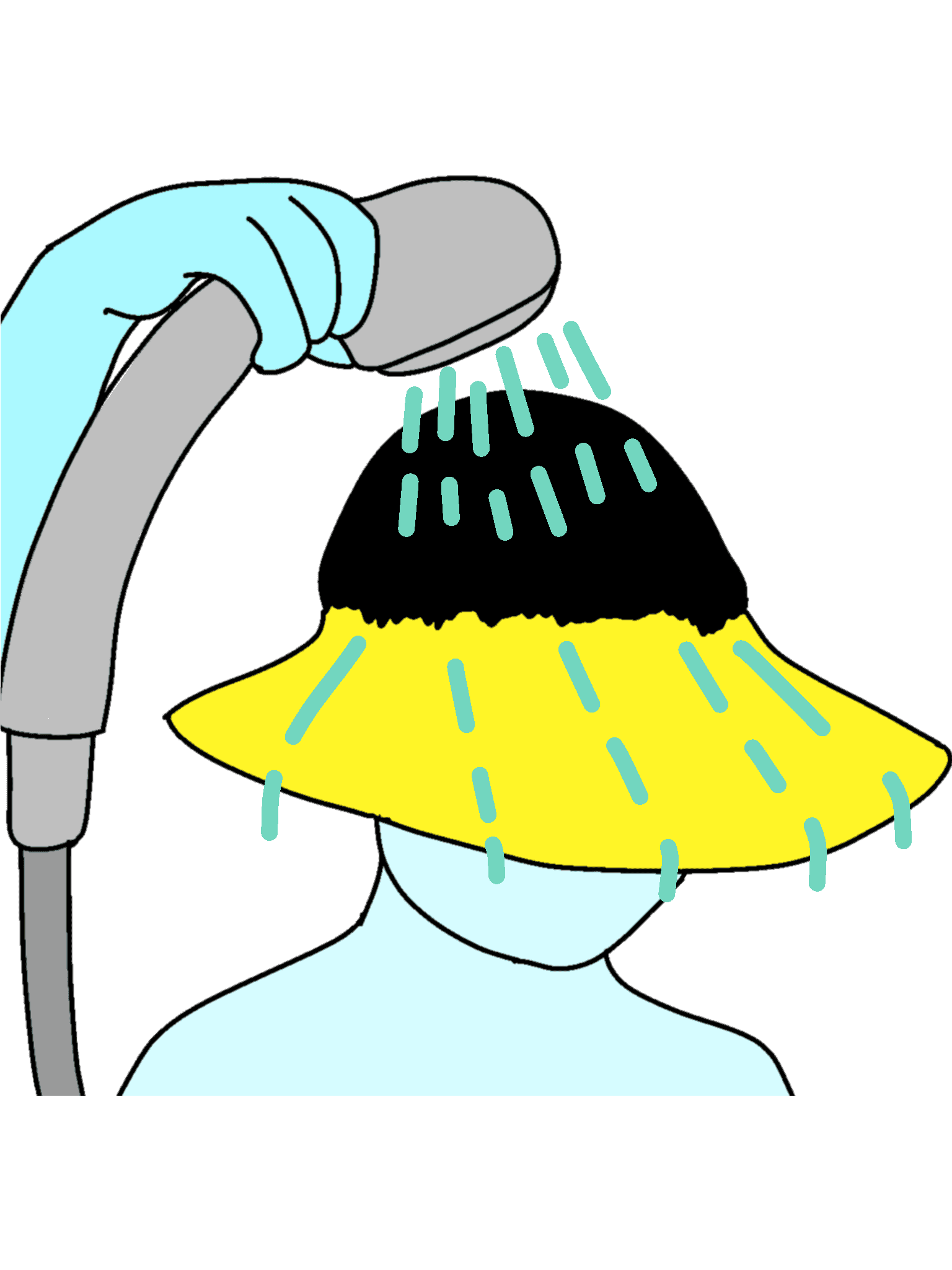
Hair-washing tool: Removing the hat's dome to direct water while washing hair.
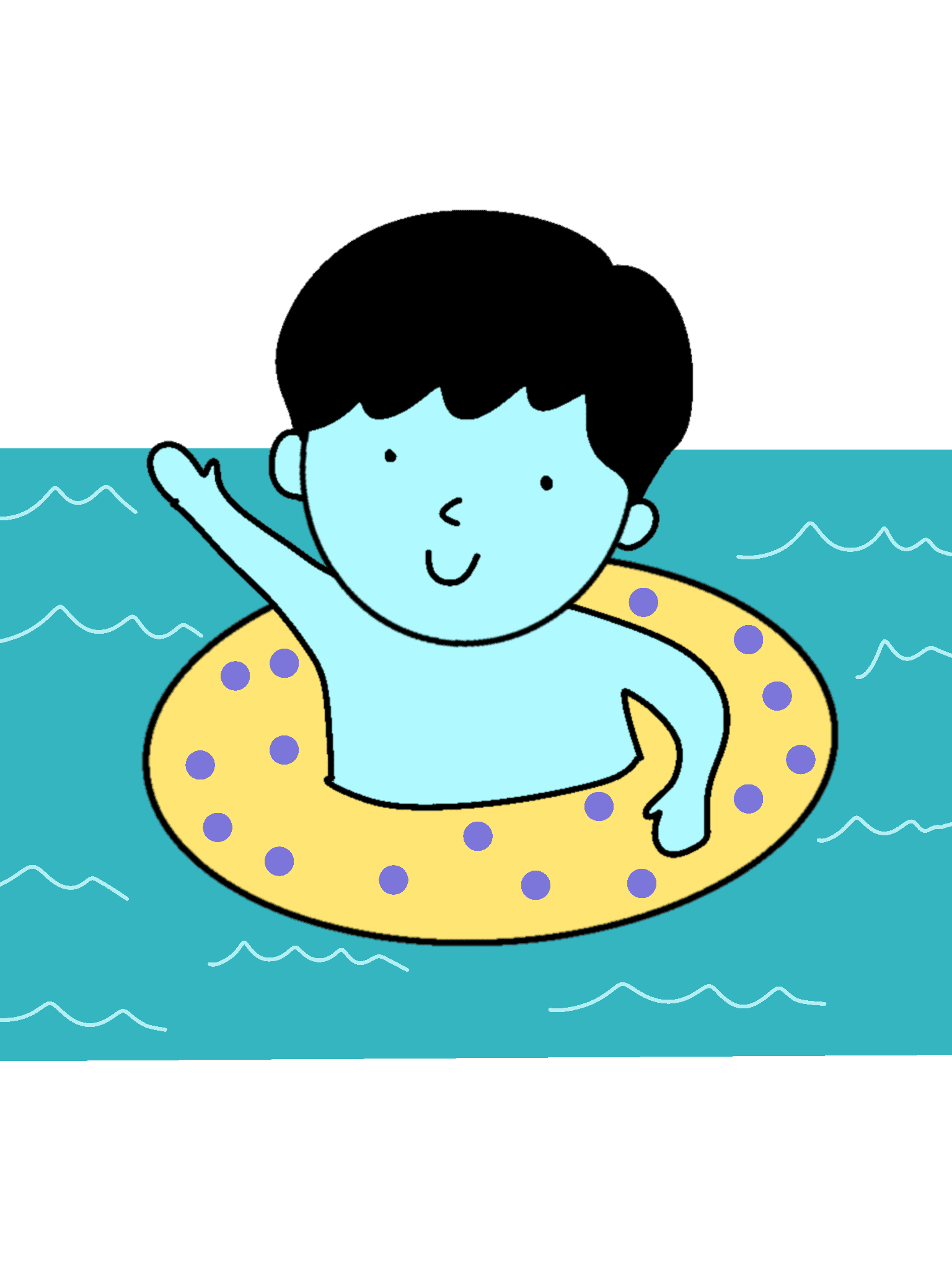
Flotation device: Eliminating the dome to create a flotation aid.
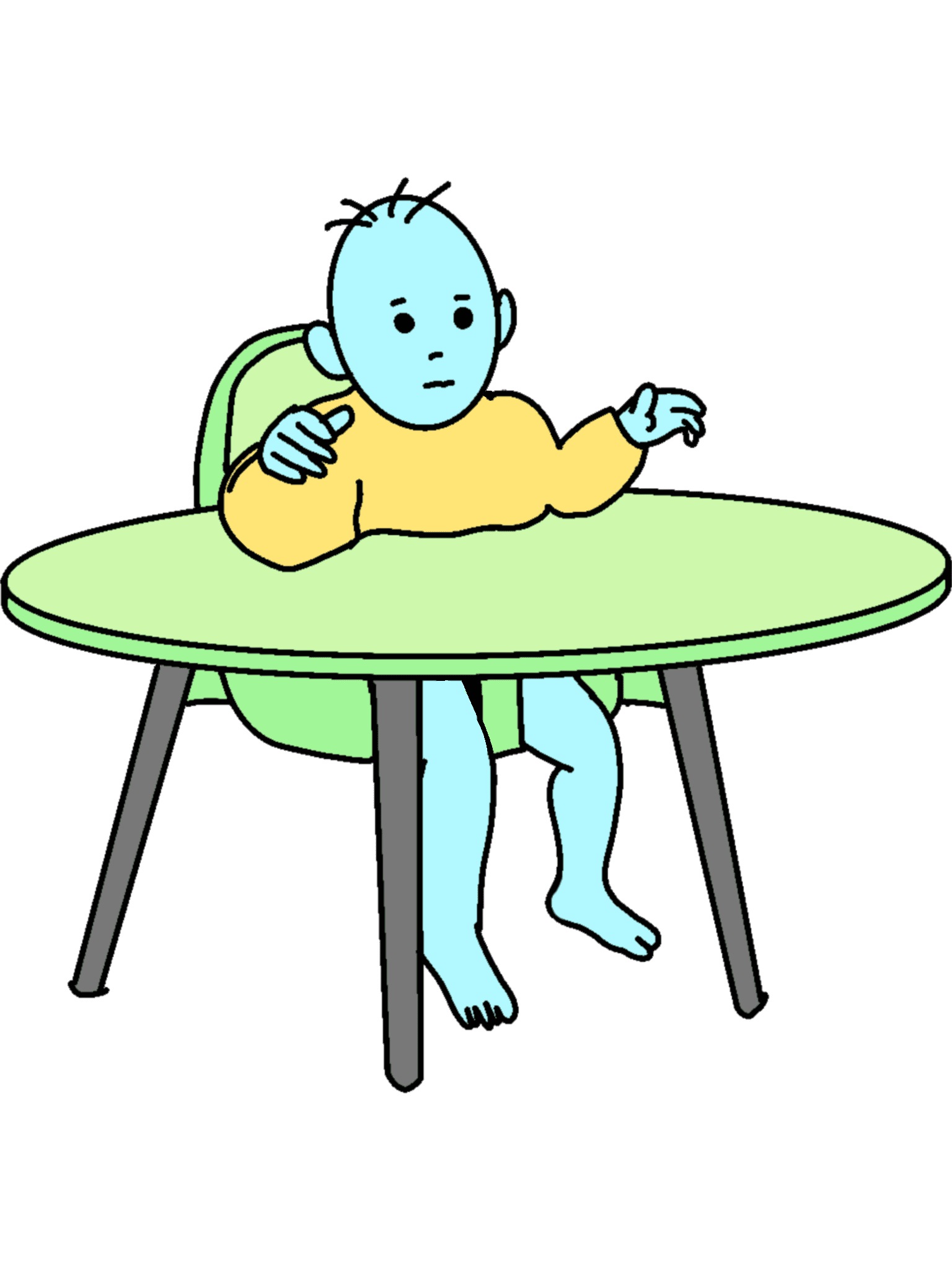
Eating smock: Removing the dome to make a smock that keeps babies clean during meals.
Cup-saucer set: Reconfiguring hat parts to create a matching cup and saucer.
Flotation device: Eliminating the dome to create a flotation aid.

Rearrange:
So what?
After the extensive ideation workshop, the team came up with a good number and wide range of ideas. The quality of ideas also seemed adequate. The feedback that we then received was how we might combine some ideas to make it a product appealing to the public.
We then analysed our ideas and realised a lot of our ideas were weather related.
So we thought of designing an all-season hat, with detachable accessories that could be changed according to the current weather.
The final design can be seen in the figure below
Now what?
SCAMPER stands out as a favoured ideation method due to its ability to challenge the status quo and propel the ideator toward innovative directions. I anticipate incorporating it into my upcoming Final Major Project, alongside other ideation techniques. This decision stems from my belief that SCAMPER excels in facilitating redesign or improvement processes. By starting with a basic design, it compels us to explore various avenues, making it particularly suitable for the iterative nature of my final project, which will involve numerous iterations and enhancements. The questions suggested for each action word from SCAMPER might bring depth to my final project
2.3. Conclusion
The SCAMPER method, renowned for its simplicity and effectiveness in fostering innovation (Dam and Teo, 2024), has left a profound impact on our journey. Reflecting on our workshop experience, I'm amazed by the creativity and insights it sparked within such a short span. Through collaborative teamwork and thoughtful deliberation, we challenged norms, explored uncharted territories, and crafted innovative solutions. Our progression, from brainstorming diverse hat ideas to refining them into a unified concept, has been immensely rewarding. This journey was particularly fulfilling as we synthesised and reflected on our ideas as a team, ultimately bringing them to cohesion as one final product. Such cohesive collaboration sets this workshop apart from others, reinforcing the power of structured ideation in innovation.
3. Ideas Log
3.1. Problem statement
Problem statement:
An idea (or ideas) for making life more comfortable for homeless people 'sleeping rough’ on the streets.
3.2. Ideas with technique #1 : Concept Fan
This technique is excellent for initiating ideation, as it starts with a broad overview and gradually narrows down to details. It allows for exploring various avenues, whether at the system level or for specific product ideas.
In my opinion there are 2 broad approaches to solving the issue: Long term and short term solutions.
If we consider Maslow’s hierarchy of needs Long Terms Solutions seem like the only way to achieve the top 3 levels which are Love and Belonging, Esteem, and Self-Actualization (Hopper, 2024).
The bottom two levels—Physiological and Safety needs—are as fundamental as basic rights. Therefore, it is logical to address them as soon as possible.
As the ideas in the first level of Long Term Systemic lutions are still quite abstract, I added another level of detailing to these ideas
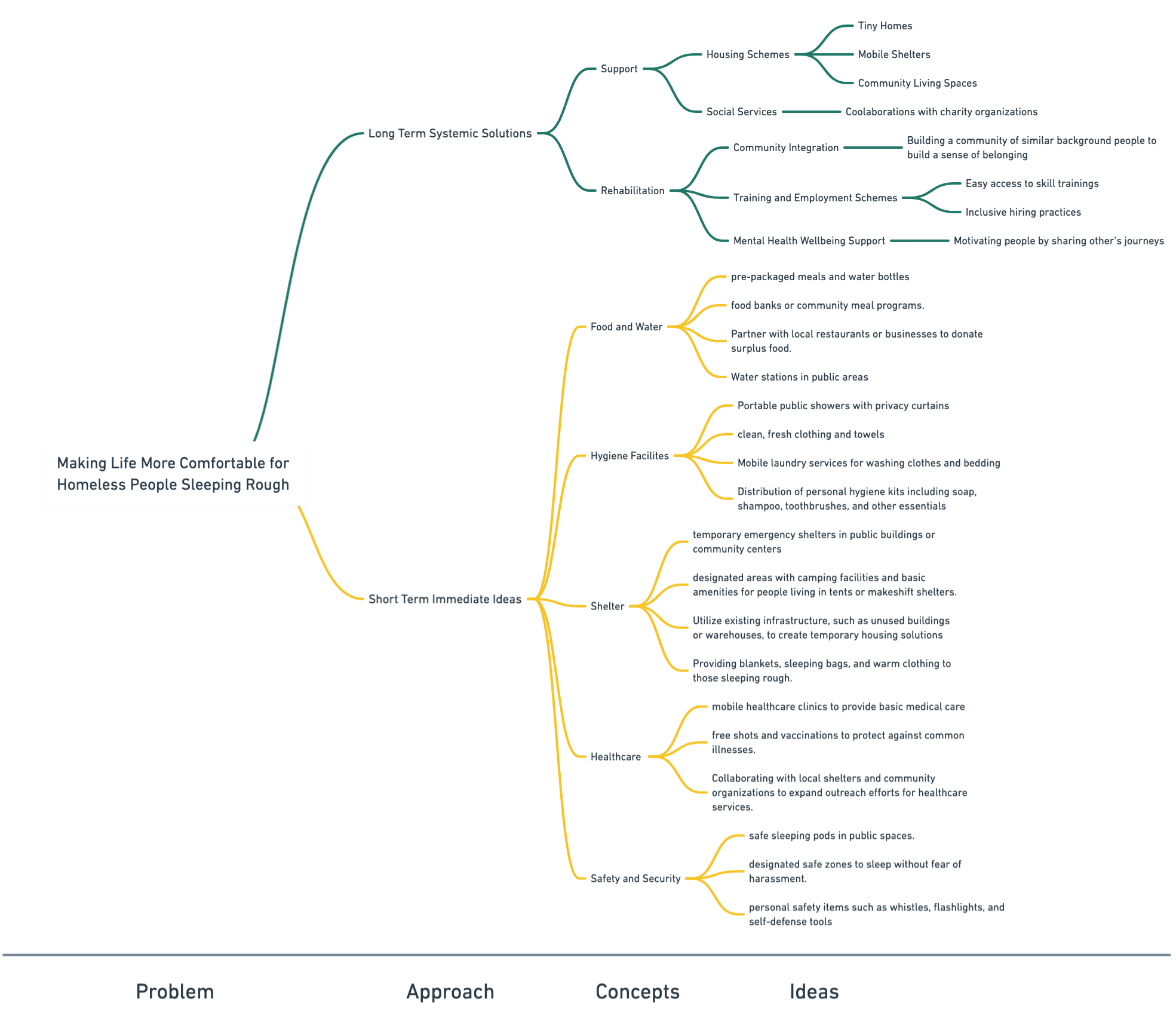
This technique gave me a good number of avenues to start ideating in specific, focused areas like temporary or portable shelters and hygiene facilities, or different kinds of collaborations that can be achieved to address this issue
3.3. Ideas with technique #2 : Bionics
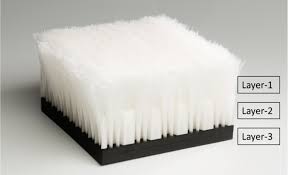

Polar Bear Fur: Create shelters using materials with hollow synthetic fibres to trap heat, providing warmth similar to polar bear fur (Like the sweater from the article discussed in class).
Lotus Leaves: Develop clothing with hydrophobic coatings to repel water and dirt, reducing the need for frequent washing.
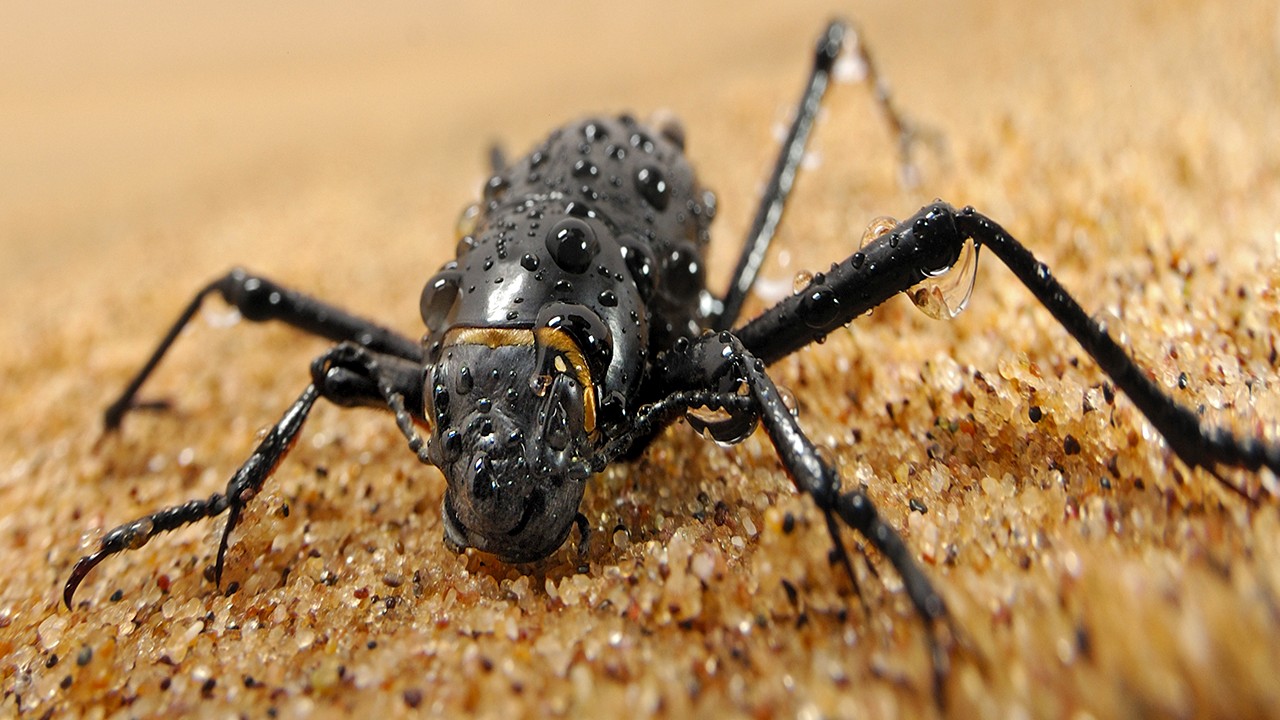
Beetle that collects water: Design shelter surfaces to collect dew and rainwater, providing clean drinking water.
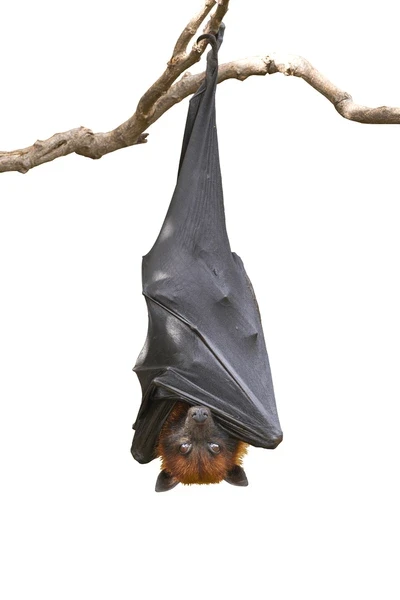
Bats wings: Design portable shelters inspired by bat wings, offering lightweight, cocoon-like spaces for homeless individuals, providing privacy and protection.
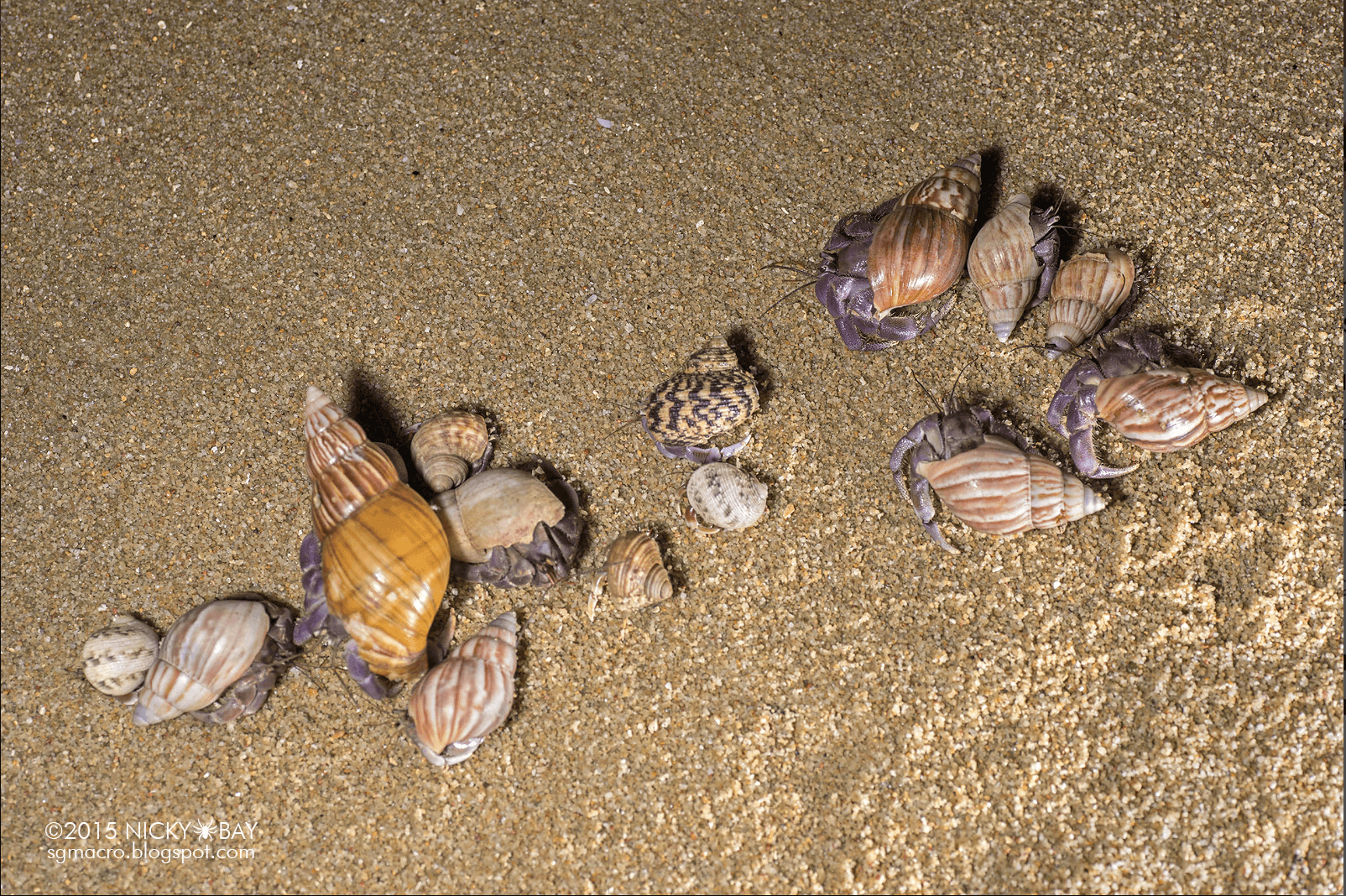
Hermit Crabs: Clothing Library: Establish a clothing exchange where homeless individuals can borrow and return clothes as needed.
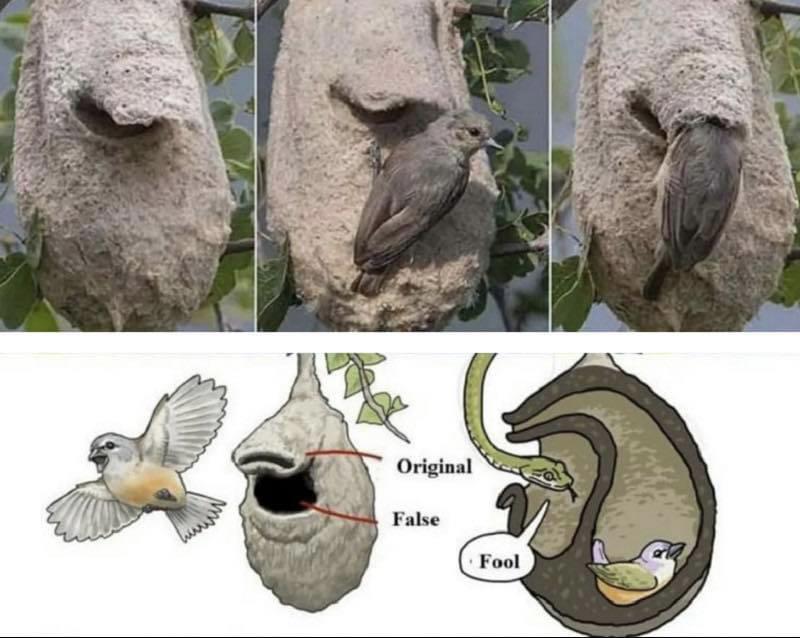
Weaver Bird: Fake Entrance for Security: Develop shelters with decoy entrances or additional security features to protect against theft.
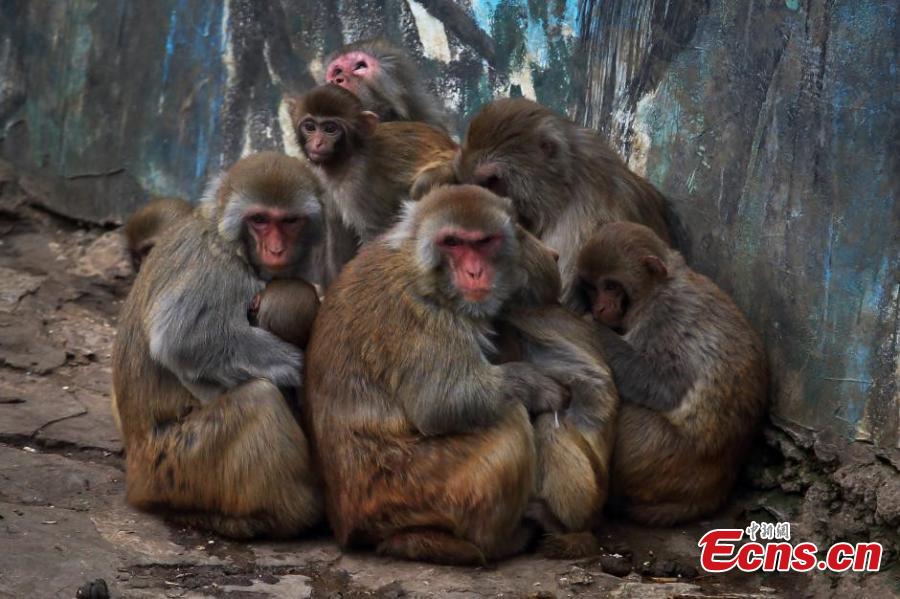
Monkeys Huddle to Stay Warm: Create clustered shelter designs that allow units to connect, promoting shared warmth and community living.
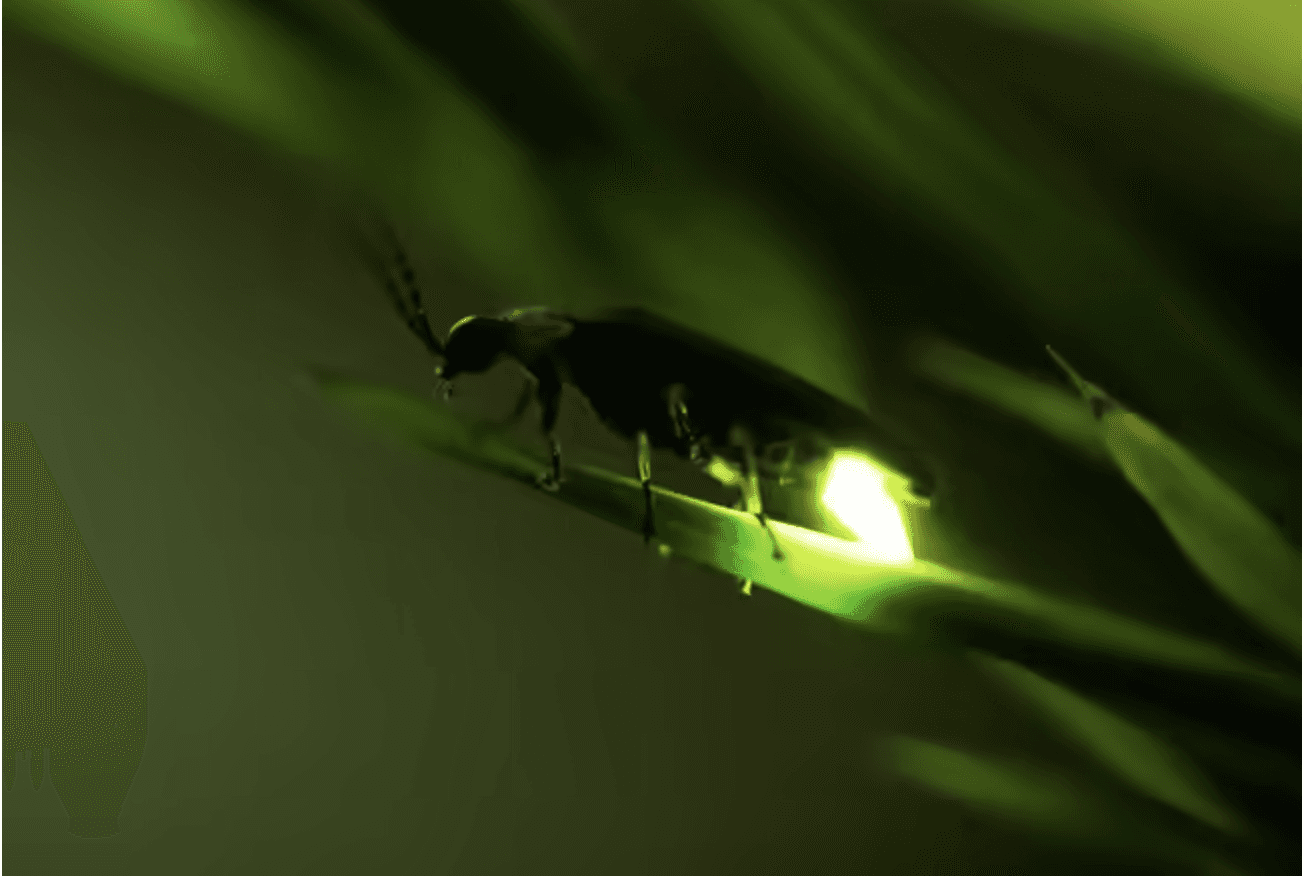
Fireflies: Design shelters with integrated light-emitting materials inspired by fireflies. These materials could provide gentle illumination during the night, enhancing safety and visibility for homeless individuals without the need for external lighting sources.
Solar Energy: Equip shelters with lightweight solar panels to provide renewable energy for lighting, heating, and charging devices.
Turtle Shell: Protective and Portable Housing: Create portable, protective shelters that are easy to transport, similar to a turtle’s shell.
Symbiosis: Cooperative Living Arrangements: Create co-housing communities where homeless individuals share resources and support each other.
Puffer Fish: Expandable Structures: Design shelters that can expand for more space or collapse for easy transport.
Natural Ventilation: Integrate natural ventilation systems into shelter designs to maintain a comfortable indoor environment.
Bird Nests: Comfortable, Lightweight Structures: Design lightweight shelters with soft, insulated linings that are easy to assemble and transport.
3.4. Ideas with technique #3 : Visual Synectics
Using an online random image generator an image was generated as shown in figure:
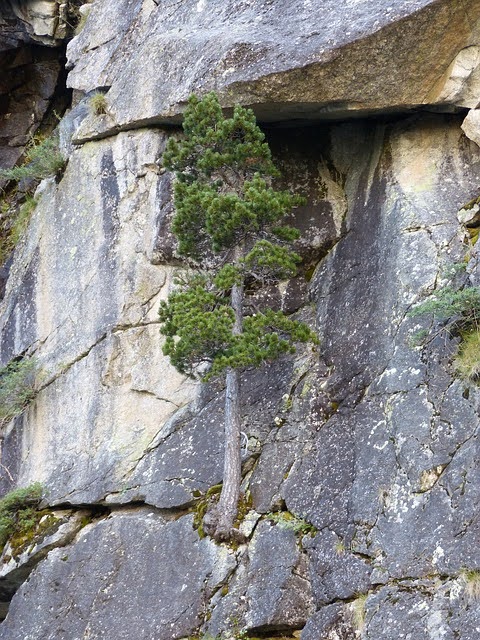
Vertical Housing Solutions:
The tree growing vertically against the cliff face can inspire the design of vertical housing solutions. Modular micro-apartments could be stacked in a manner that utilises vertical space efficiently, much like the tree utilising the limited space on the cliff. Affordable, prefabricated housing units can be developed that can be assembled and stacked in urban areas where horizontal space is scarce.
Utilisation of Unconventional Spaces:
The cliff represents harsh and unconventional living conditions. This can translate to using underutilised or unconventional spaces in cities (e.g., beneath overpasses, between buildings) to create sheltered living areas. Unused urban spaces can be converted into habitable zones by installing weatherproof tents or tiny homes, providing essential services like sanitation and security.
Resilience and Adaptability Programs:
The tree's ability to thrive in a challenging environment can symbolise the resilience of homeless individuals. Programs can be designed to enhance this resilience through skills training, education, and mental health support.Community centres can be developed that offer job training, counselling, and educational resources to help homeless individuals build skills and confidence.
Tree
Tall
Strong
Resilience
Wind
Grow
Rock
Dangerous
Green
Roots
Alone
Leaves
Cliff
Unusual
Huge
Cracks
Hang
Branches
Phrases/elements extracted from the image for ideating:
The image of a tree growing resiliently out of a rocky cliff serves as powerful inspiration for innovative solutions as described below to help the homeless.
3.5. Conclusion
In conclusion, the exploration of various ideation techniques, including Concept Fan, Bionics, and Visual Synectics, has generated a plethora of innovative ideas aimed at improving the lives of homeless individuals sleeping rough on the streets.
Green and Sustainable Initiatives:
The tree’s presence on the cliff highlights the importance of nature and sustainability. This can inspire eco-friendly initiatives within homeless aid programs. Urban gardening projects can be developed where homeless individuals can participate in growing their own food, promoting sustainability and providing a sense of purpose and community.
Community and Support Structures:
The tree and cliff symbolise the need for a strong support structure. This can translate to fostering a supportive community for homeless individuals. Networks of mentors and volunteers can be established who provide consistent support, companionship, and guidance to those in need, much like the tree finding a stable foundation in the cliff.
Innovative Shelter Designs:
The tree finding a niche in the rock suggests innovative shelter designs that make the most of small or difficult spaces. Compact, portable shelters can be designed that can fit into small urban spaces, providing privacy and safety. These could include pop-up shelters or convertible furniture that transforms into sleeping areas.
Public Awareness and Engagement:
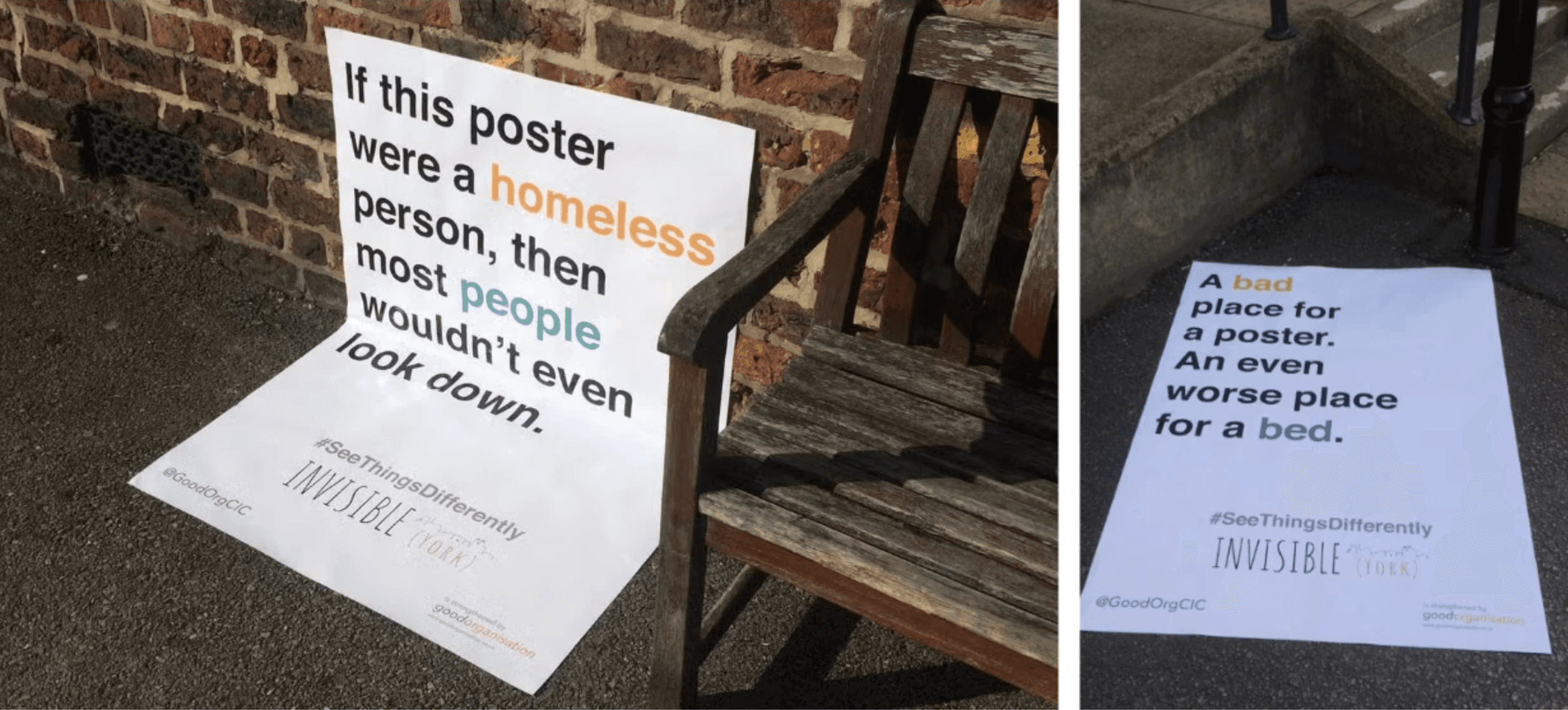
The striking image of the tree growing out of the cliff can be used in public campaigns to raise awareness about homelessness and resilience. Campaigns can be launched that use powerful imagery to draw attention to homelessness, encouraging public support and donations for homeless aid programs.