Impact of Service Design Interventions
Across cases, key interventions, such as the empathic host model, structured admission processes, transition support, and personalised care routines, collectively transformed high-stress, fragmented situations into stable and supportive care journeys. Families who initially experienced anxiety, caregiver burnout, or failed care arrangements reported increased trust, reduced emotional strain, and greater confidence in institutional care. For residents, structured routines, continuous engagement, and tailored interventions (e.g., dietary adjustments, language accommodation, behavioural monitoring) led to improved adjustment, reduced agitation, and enhanced quality of life.
The transition period emerged as a critical design element, functioning as both a stabilisation phase for residents and a relief phase for families. Regular, transparent communication further reinforced trust and reduced uncertainty. Additionally, participatory elements—such as involving families in care, peer support through experienced families, and inclusive activities—extended the service beyond the resident to the broader family ecosystem.
Overall, these cases demonstrate how service design enables flexible, context-sensitive, and human-centred care models that adapt to diverse needs while improving both experiential and operational outcomes.
You can find the published paper here
The research data was synthesised into structured artefacts to uncover patterns and opportunities.
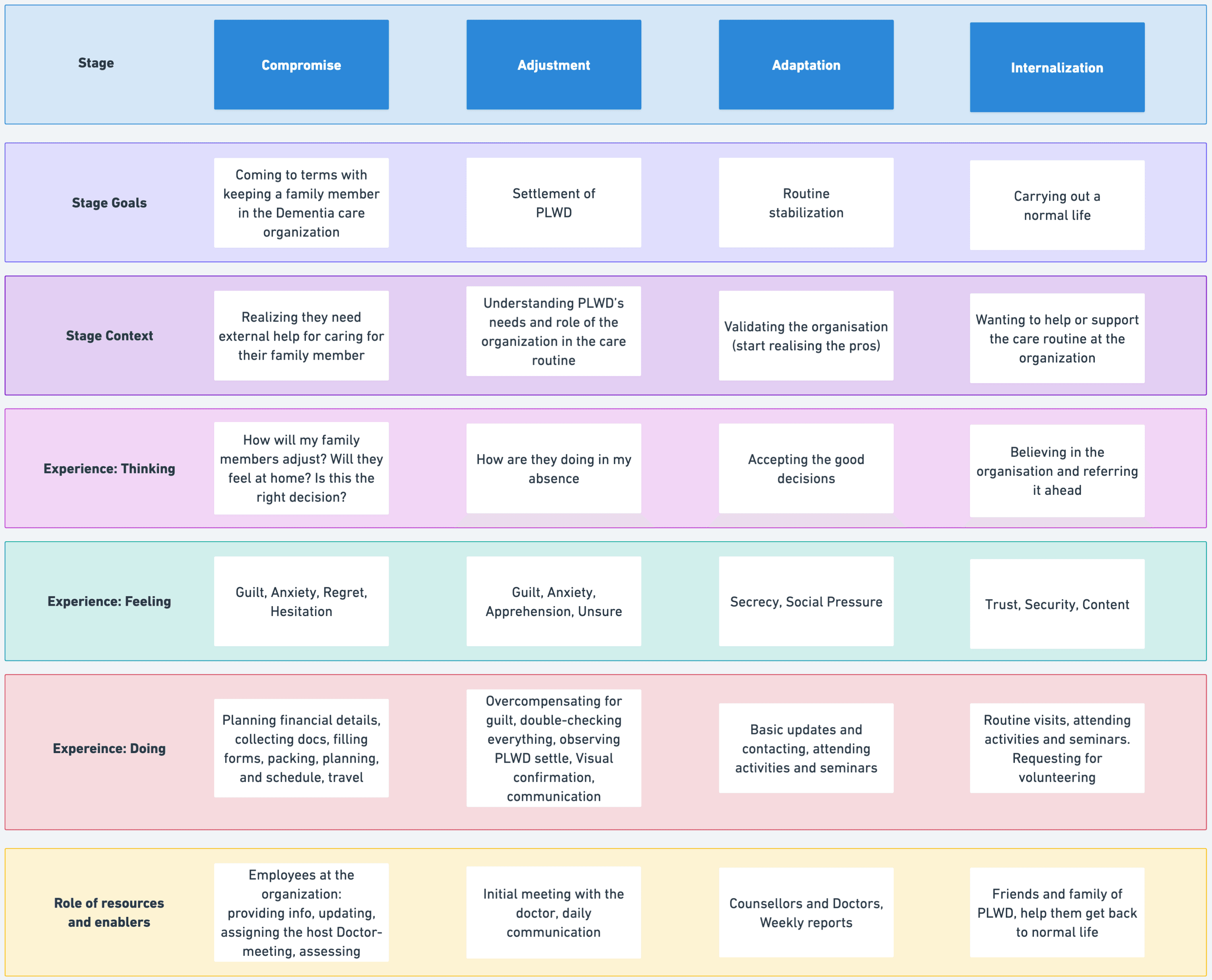
A detailed Customer Journey Map was created to visualise the end-to-end experience—from awareness of the condition to post-admission adjustment. This map highlighted emotional states at each stage, revealing that the transition phase (admission + early settling) was the most stressful and least supported.
Synthesis
Insights from Research
The study revealed that families go through a multi-stage, emotionally intensive journey when admitting a Person Living with Dementia (PLWD) into a care facility. This journey is not linear but layered with uncertainty, hesitation, and emotional conflict.
Key Research Insights
Families often struggle to recognise the need for specialised dementia care, delaying critical decisions
There is a significant lack of awareness and understanding of dementia and its progression
General caregivers are typically limited to basic physical care, lacking expertise in cognitive and emotional support
Families frequently misinterpret dementia-related behaviours, leading to frustration, helplessness, and conflict
Understanding a PLWD’s personal history and background is essential for effective and empathetic care
Care approaches must be individualised, requiring time, patience, and iterative learning
Symptoms are often surface-level manifestations, with deeper underlying causes requiring careful diagnosis
Long-term caregiving places immense pressure on primary caregivers, often resulting in burnout or mental health issues such as depression
Interpretations of symptoms vary across family members, highlighting the need for clinical validation through medical assessments
Effective dementia care demands high levels of empathy, patience, and emotional sensitivity
Caregivers themselves require structured emotional and psychological support systems
There is a need to support caregivers not only in daily stress but also in coping with grief and emotional fatigue
Emotional awareness and regulation are critical skills for caregivers to sustain quality care
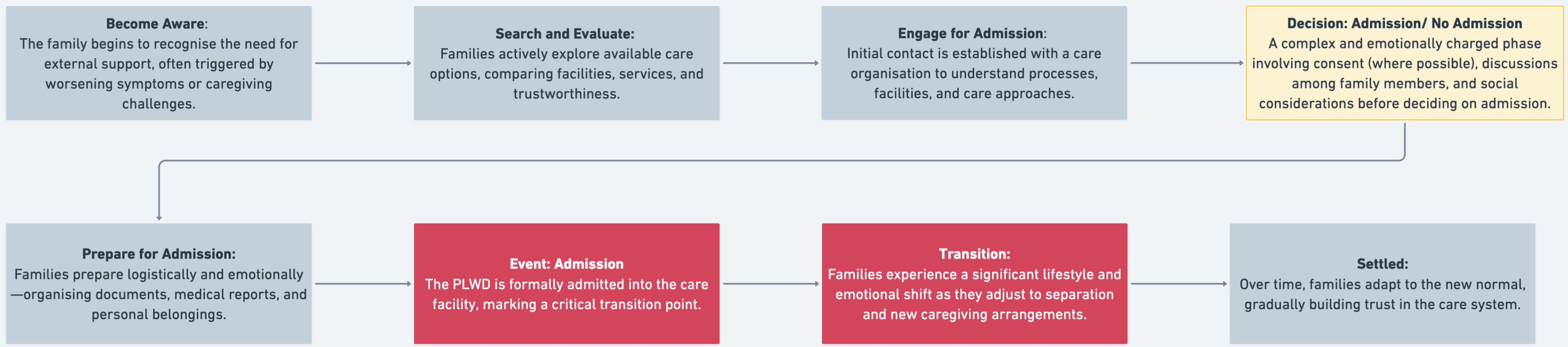
Process that a family goes through while admitting a PLWD
Methodology
Research
Objectives
The project followed a hybrid Service Design framework, combining structured methods with flexible, real-world adaptation.
Core principles: User-centred, Participatory, Iterative, System-oriented
Approach highlights:
Quasi-participatory design to balance stakeholder involvement
Problem-solution co-evolution
Continuous engagement instead of a one-time intervention
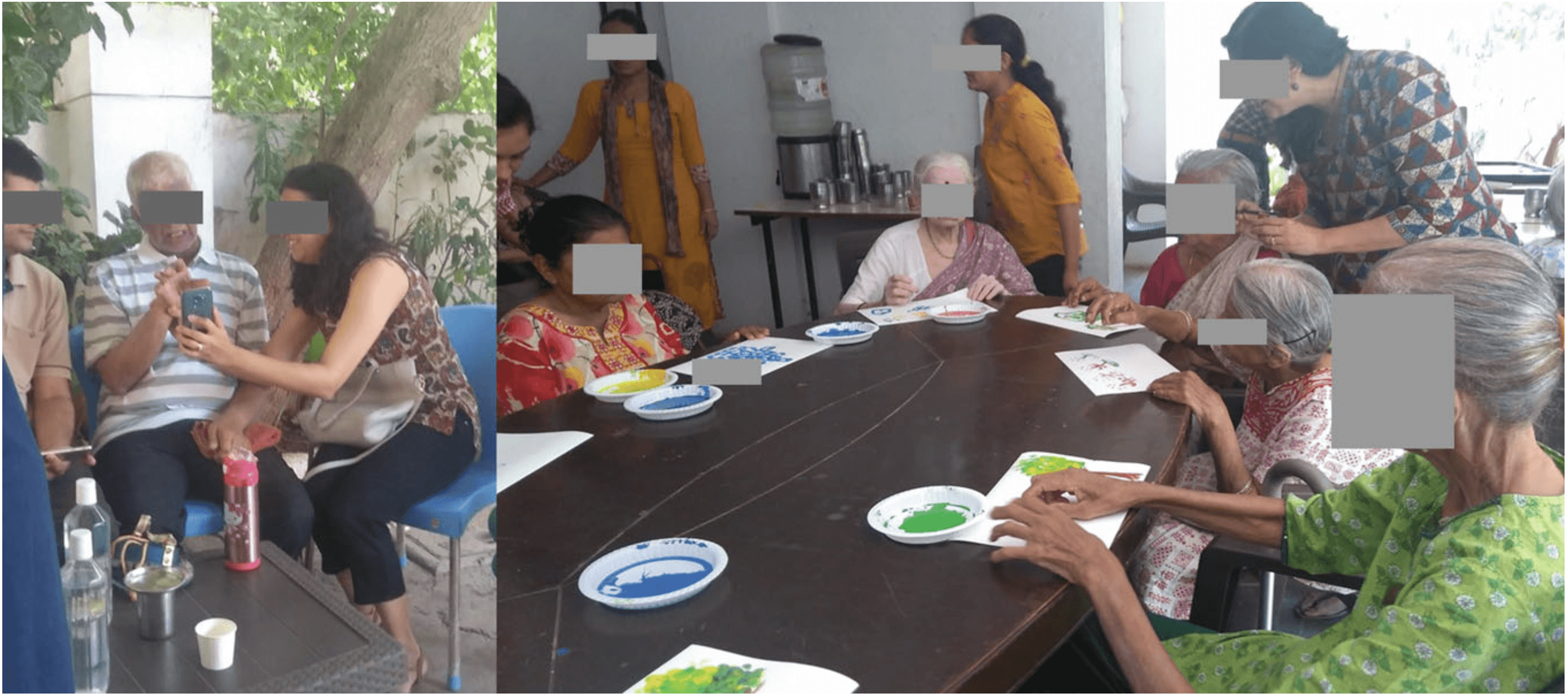
Extensive user research through observational studies and semi-structured interviews with branching and laddering were conducted with multiple stakeholders—families of resident PLWDs, the founder of the organisation, counsellors, staff, and doctors. The caregivers and counsellors at the organisation were shadowed to observe and note their daily care routine closely. Through these studies, data was collected from various stakeholders, and the insights were triangulated.
The project aimed to address both functional inefficiencies and emotional gaps.
Primary objectives:
Reduce anxiety and stress during admission and transition
Improve communication and transparency
Enable trust-building between families and caregivers
Streamline operational processes
Enhance quality of life for both PLWDs and families
Secondary objectives:
Introduce scalable, low-cost interventions
Embed a culture of continuous improvement within the organisation
Research
Semi-structured Interviews and shadowing
Synthesis
Personas, journey mapping, ecosystem map
Service Concepts
Service blueprinting and Ideation
Evaluation
Value Analysis, Qualitative Feedback and Impact
Summmary
This project examines how service design can improve the dementia care experience in India, where a shortage of trained caregivers and limited family preparedness create significant challenges. Through a case study in a residential care home, it explores how participatory and continual engagement methods were used to design interventions that reduce anxiety and improve the overall experience for both persons living with dementia (PLWDs) and their families (FPLWDs). The study also evaluates the effectiveness, benefits, and limitations of these approaches in a social care context. I led the project end-to-end, conducting user research with residents, caregivers, and families, synthesising insights into personas and journey maps, and identifying key pain points. I facilitated participatory design sessions to co-create solutions, which I translated into service concepts and developed into prototypes such as service blueprints and experience kits, refining them through iterative testing in the care home.
Outcome Highlights
Led an end-to-end service design project with a multi-touchpoint service system
Reduced admission time by 75%
Introduced an empathic host model for emotional support
Improved both operational efficiency and user experience
Enabled continuous feedback loops and iterative improvements within a live environment
Strengthened trust and transparency between families and the care organisation
Contributed to building a scalable and adaptable service model for similar care settings
Authored a research paper based on this project, published by Springer Nature
About the Project
Dementia care in India represents a growing systemic challenge, driven by an ageing population, limited awareness, and a shortage of trained caregivers. Families often struggle to manage care at home and eventually turn to residential care facilities—typically as a last resort.
However, the transition into a care home is not just a logistical shift; it is an emotionally charged journey marked by guilt, anxiety, and uncertainty. Existing care models focus heavily on medical and operational needs, leaving significant gaps in the emotional and experiential dimensions of care.
This project addresses these gaps by applying a service design approach to reimagine the care experience holistically.
Problem Statement
Dementia care systems in India are underprepared for scale and complexity.
Key challenges identified:
Caregiver scarcity limits quality and consistency of care
Families lack knowledge and emotional preparedness
Admission into care homes is delayed due to:
Social stigma
Guilt associated with “outsourcing care”
Existing systems prioritise clinical care over lived experience
Critical gap:
The transition phase (admission + early adjustment) is highly stressful but poorly designed.
Families experience:
Anxiety about decision-making
Lack of trust in care providers
Emotional distress due to separation
Service Design through Continual Engagement
Case Study of a Dementia Care Home in India
Role: Service Designer and Researcher
Duration: 6 Months
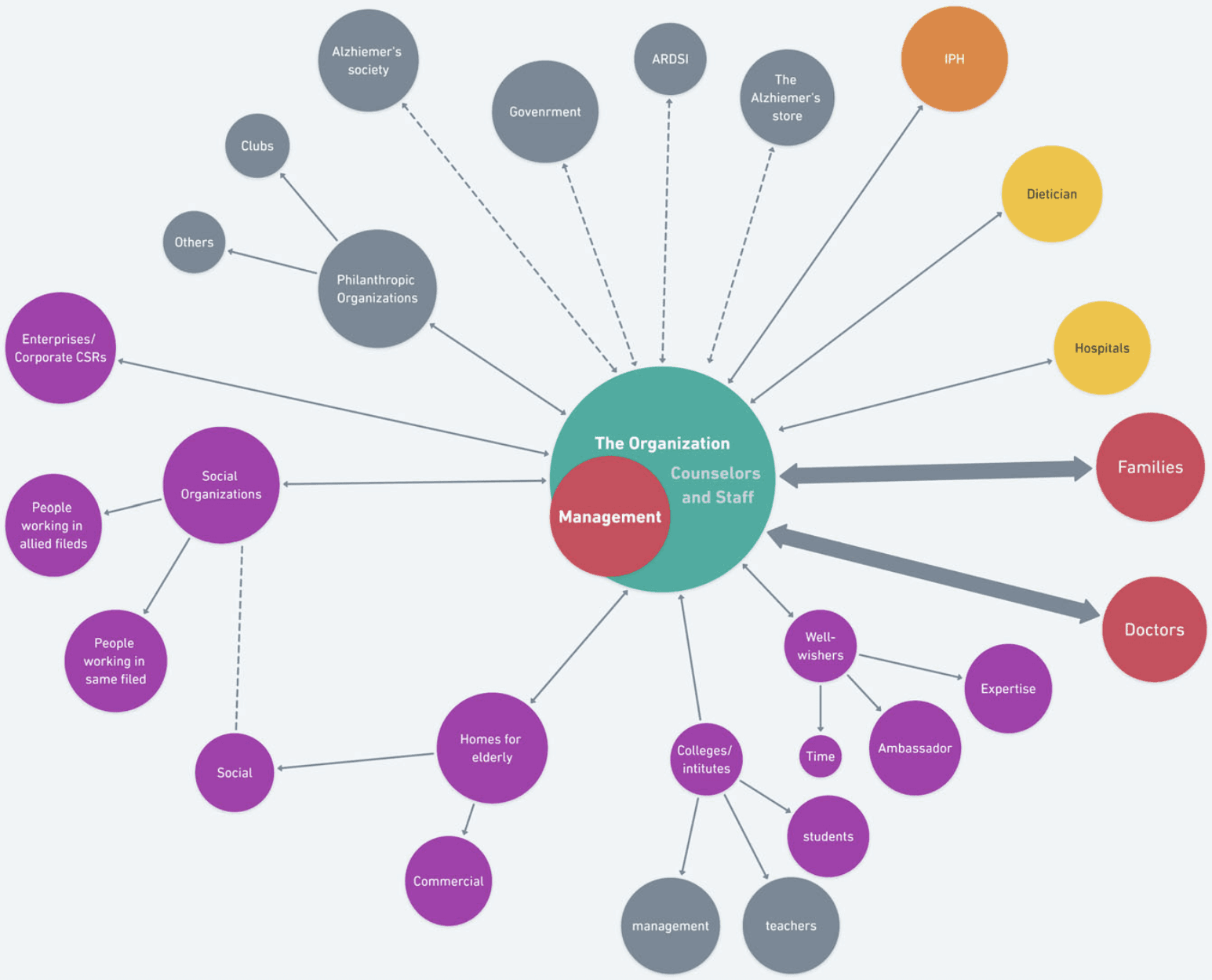
In parallel, a Service Ecosystem Map was developed to understand the network of stakeholders, including caregivers, doctors, administrative staff, and family members. This exposed gaps in coordination and communication across the system.
Service Blueprints
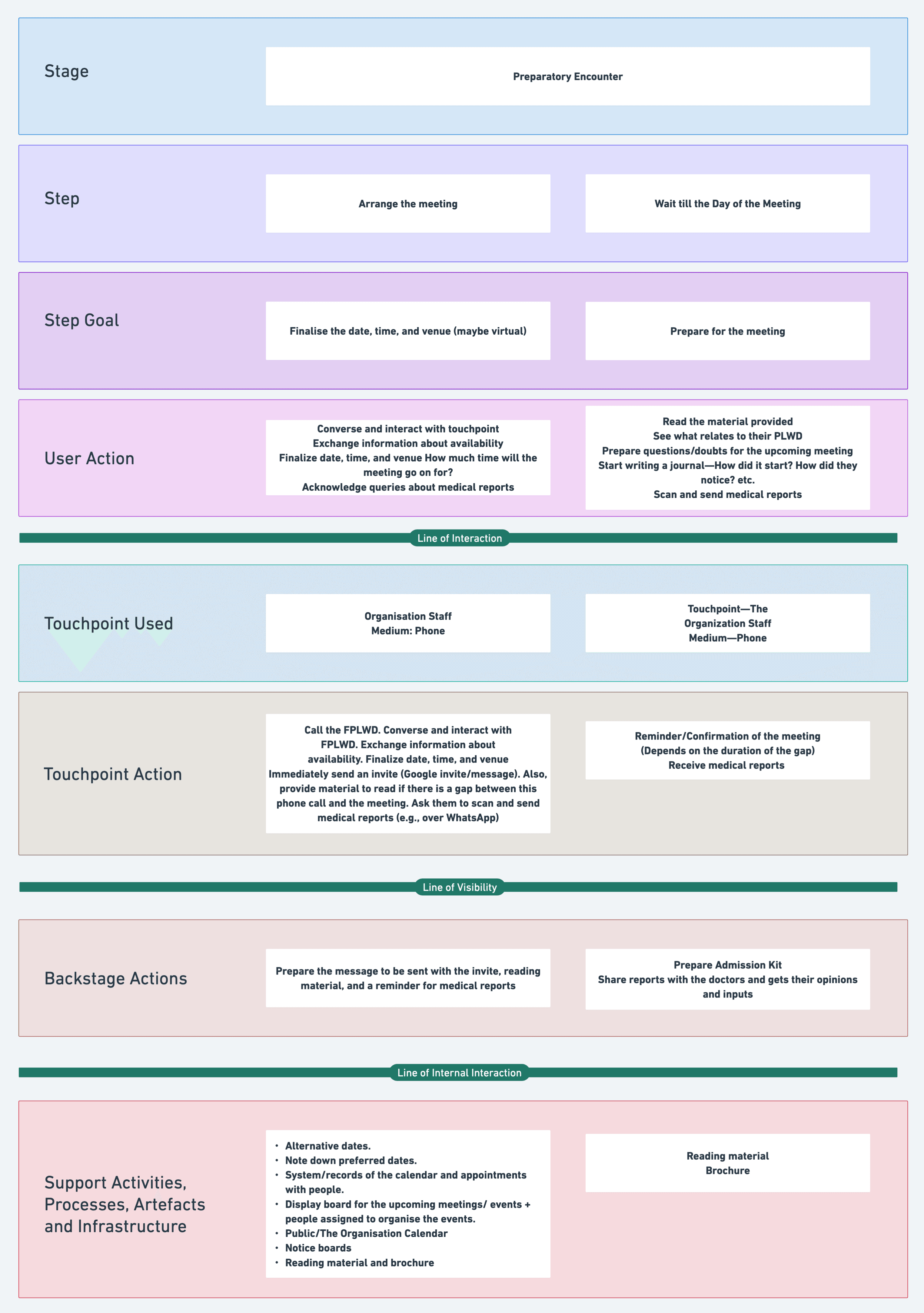
Service blueprints were used to map and visualise service encounters, highlighting interactions between front-end touchpoints, backstage processes, and support systems, along with dependencies and potential failure points. Detailed blueprints were created to guide the step-by-step execution of new services at the organisation, specifying actions and touchpoints for each interaction. An example of two steps from the entire blueprint is provided below and the entire detailed blueprint can be found here.
Service Concepts
Illustrative Service Concepts
Using the above process, the following interventions were conceptualized and implemented by the authors in collaboration with Tapas:
Micro-interventions
Admission Kit: TThe Admission Kit is a comprehensive onboarding resource designed to support families of persons living with dementia (PLwD) during their transition into Tapas Elder Care. It brings together essential documents (forms, legal paperwork, and checklists), a visually mapped admission procedure, and an illustrated daily routine to provide clarity, reduce uncertainty, and build trust. It also includes a DOs and DON’Ts guide to enable empathetic interactions, structured checklists to ensure continuity from home, and a personalised Photo Tree to involve families in creating a familiar environment for the resident. Overall, the kit functions as a practical, cognitive, and emotional support system—streamlining the admission process while reinforcing confidence in the quality and consistency of care.
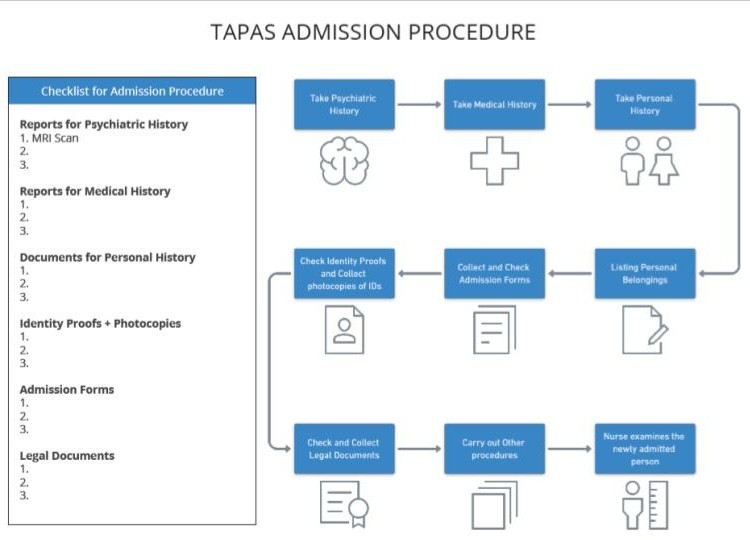
Visually Mapped Admission Procedure
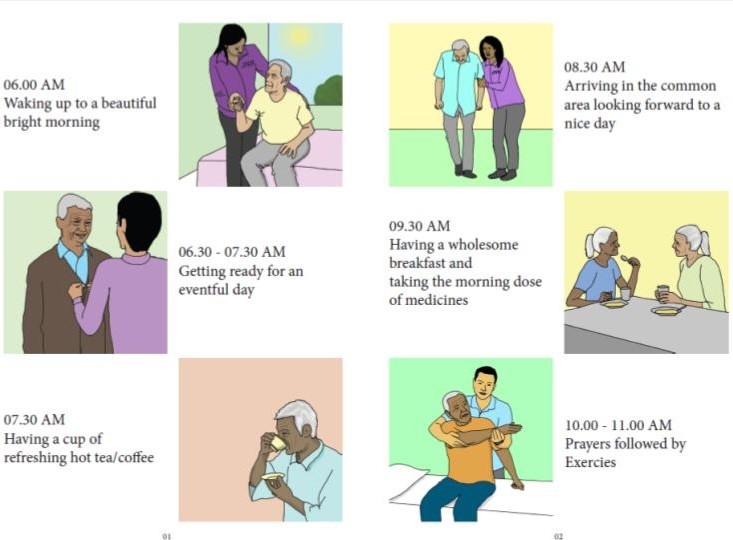
An Illustrated Daily Routine
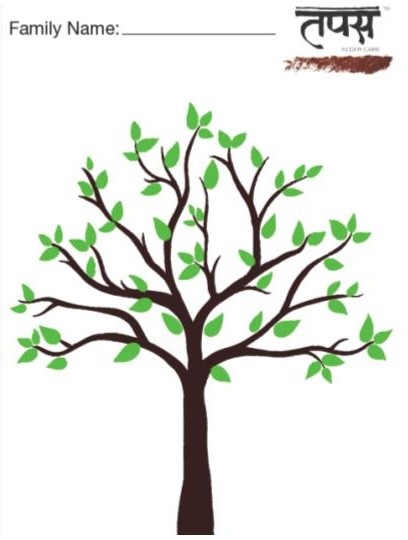
A Personalised Photo Tree
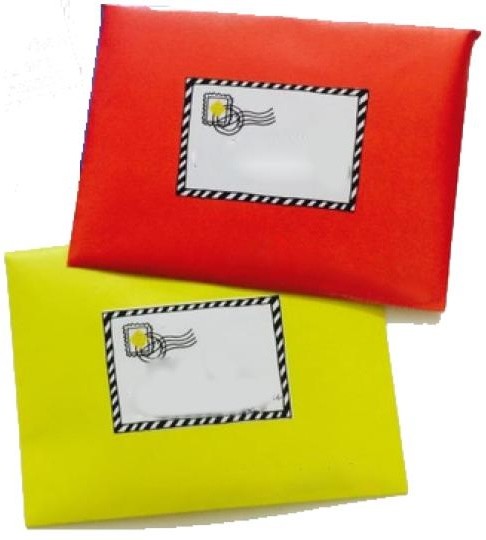
Open When… letters: This was a unique touchpoint designed to help build resilience towards the stress experienced by families during the transition period after admission. These letters would help the family members keep engaged in between the visits to the organization by specifying certain activities to do like creating a photo collage or creating a care package for a family member at the organization.
Servicescape Redesign
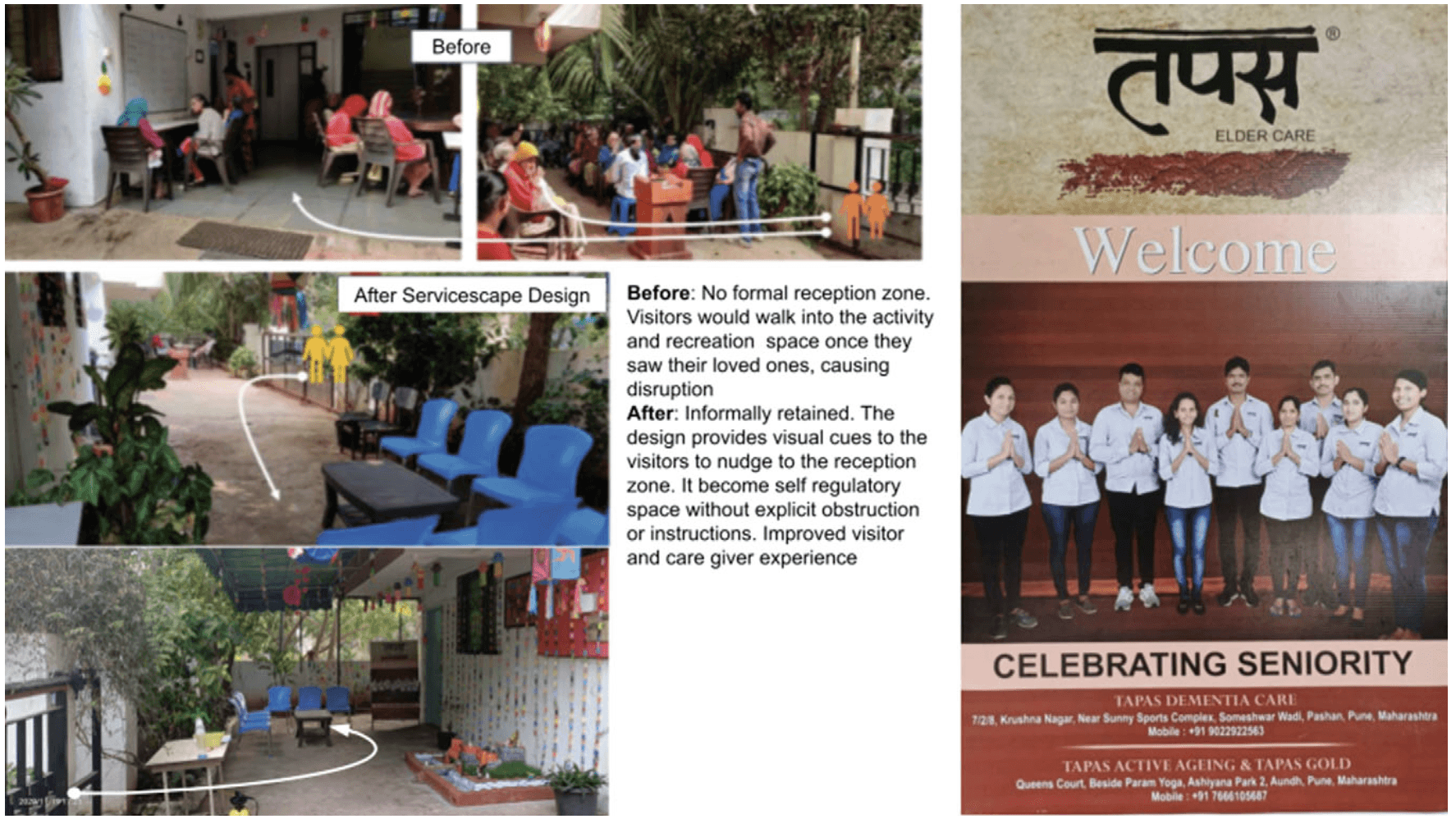
Visitor management emerged as a critical issue, with unstructured movement causing stress for staff and disrupting care routines for residents (PLWDs). Unregulated entry and circulation often led to noise, interruptions, and emotional distress among residents.
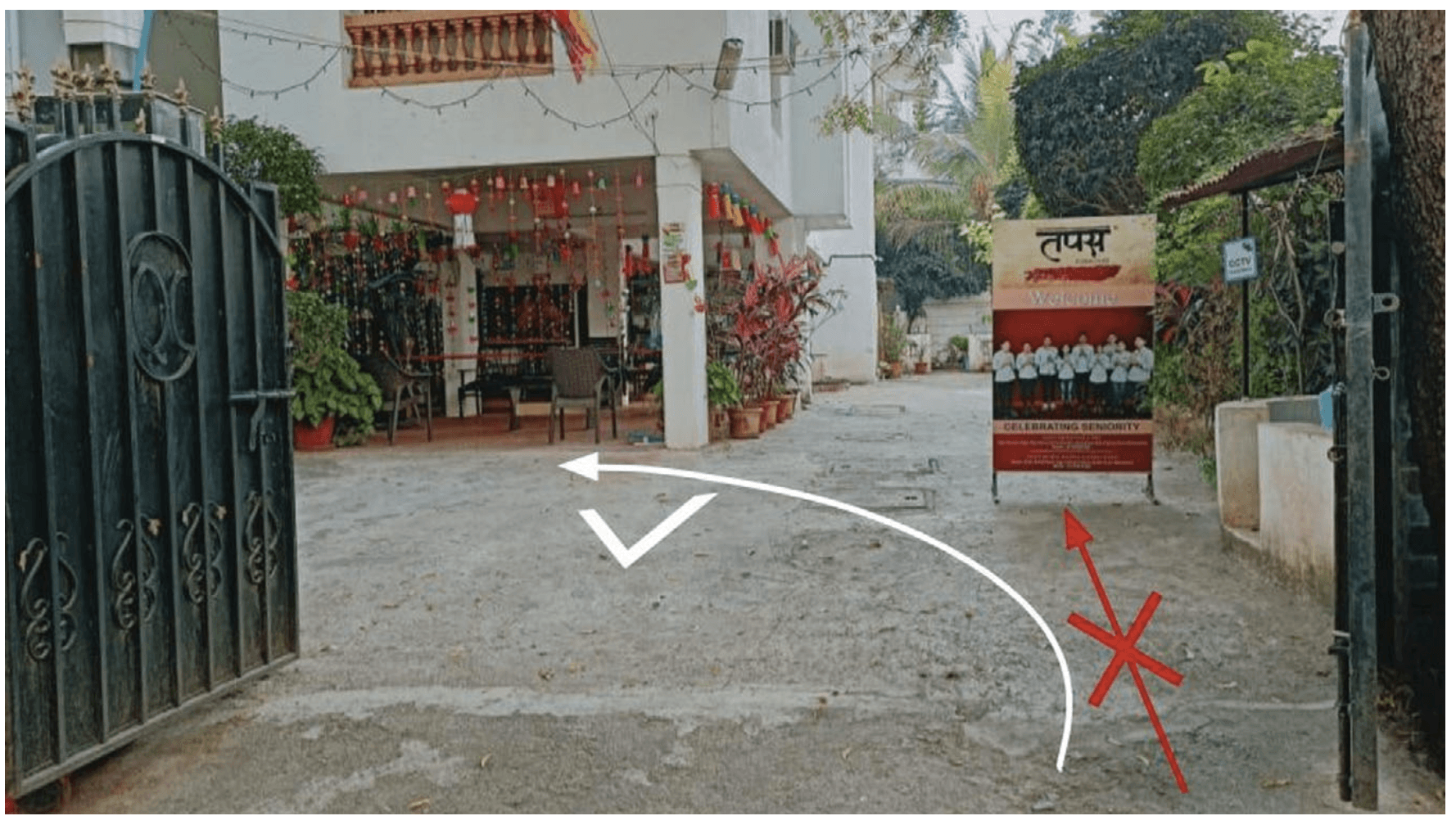
To address this, the servicescape was redesigned to enable self-regulated visitor behaviour through subtle environmental cues rather than strict controls. A dedicated family visiting area was created near the entrance—accessible yet sufficiently separated to minimise disturbance to residents.
The space was intentionally designed to improve both functionality and experience:
Distinct seating (using different colours) to clearly differentiate visitor and resident areas
A shaded waiting area to ensure comfort
A small table with water to enhance hospitality
Proximity to the doctor’s clinic to facilitate easy consultations
Additional visual cues, such as a welcoming poster featuring caregivers, reinforced the identity of the space and guided behaviour.
The overall strategy relied on behavioural design principles, using soft cues, implicit constraints, and nudges to influence movement and interactions. This created a more organised and predictable visitor flow while maintaining a sense of openness and autonomy.
The same approach was extended to a sister facility, where spatial elements like strategically placed boards were used to subtly direct entry paths and introduce natural pauses—encouraging actions such as visitor registration without enforcing rigid rules.
This intervention improved privacy, reduced disruptions, and enhanced the overall care environment without adding operational complexity.
New Synergetic Service
Empathic host: This is a new service component that leverages the bonds of the organisation with the residents’ families. As the initial stages can be overwhelming for a new family admitting their PLWD in the care organisation, a pair of empathic hosts, a counsellor from the organisation, and a family member of an older resident from the organisation co-create support and help the family with their doubts, anxieties and emotional turmoil. A service blueprint was designed for a smooth and effective introduction of the empathic host to the new family.
Evaluation
Value Analysis
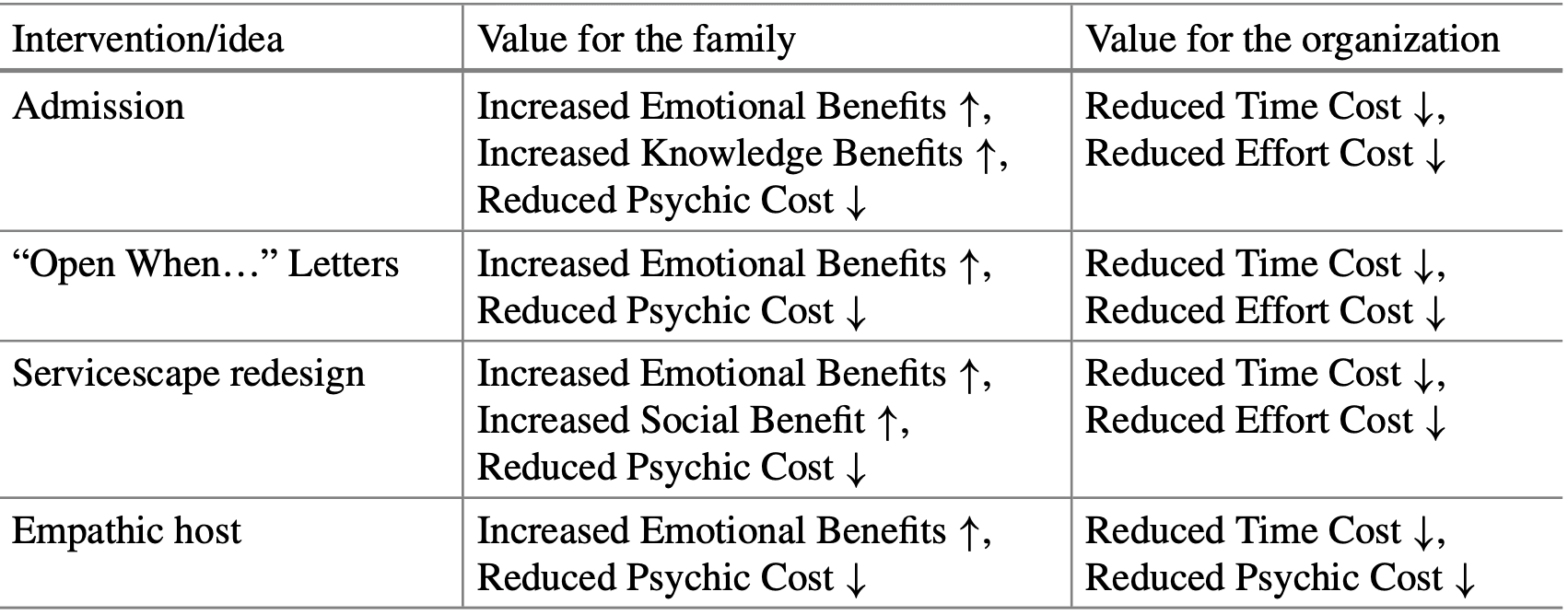
Value is the net effect of benefits/costs. There are intangible benefits like emotional, social and knowledge that also add value. Similarly, costs can be intangible in the form of time, effort, and psychological costs.
Value analysis of the interventions

Qualitative Feedback on Service Concepts
Feedback from staff and families indicates that these interventions have significantly reduced family anxiety, improved administrative efficiency, and streamlined care delivery.
Micro-Interventions
The introduction of additional touchpoints—such as pre-shared forms, belongings checklists, and reminder/confirmation messages—has reduced admission time from approximately 2 hours to 30 minutes. Families are now able to complete documentation in advance, allowing concerns to be addressed prior to arrival and enabling a smoother, more efficient admission process. The checklist further ensures preparedness, which proved particularly valuable during COVID-19.
Early communication also allows caregivers to familiarise themselves with the resident’s condition and specific needs in advance, improving readiness at the point of admission. Post-admission, communication channels (e.g., WhatsApp) were repurposed to provide regular updates, including medical parameters, daily routines (sleep, meals), and activity-based photos. This transparency has strengthened trust and reduced anxiety among families.
Additionally, a handbook—developed with medical professionals—is being introduced to educate families on dementia types, stages, and care practices, while reinforcing confidence in the organisation’s approach.
Servicescape Redesign
The introduction of a dedicated family visiting area addressed disruptions caused by unstructured visitor movement. Previously, visits interfered with resident activities and sometimes triggered emotional distress. The designated space now acts as a buffer, allowing controlled and prepared interactions. It also provides a private setting for counsellors to communicate with families without interrupting ongoing care processes.
Empathic Host
Assigning a dedicated counsellor as a single point of contact ensures continuity, clarity, and personalised support for families during admission. Complementing this, experienced families are paired with new ones to offer peer-based emotional support. This dual-layer system enhances transparency, reassurance, and trust.
An additional outcome has been improved delegation within the organisation, with lead caregivers taking on greater responsibility—positively impacting their confidence and professional growth.